" height="21.943622918266314px" id="HqU1V_VXu" width="76.57577685890533px"/><path d="M 20.228 10.24 L 10.114 10.24 L 10.114 8.777 L 20.228 8.777 Z M 21.672 20.48 L 15.171 20.48 L 15.171 19.018 L 21.672 19.018 Z M 0 19.018 L 0 0 L 1.445 0 L 1.445 19.018 Z M 20.228 19.018 L 20.228 0 L 21.672 0 L 21.672 19.018 Z" fill="rgb(255, 255, 255)" height="20.480488152641314px" id="bfuCuMlPp" transform="translate(27.507 1.519)" width="21.672358558014366px"/><path d="M 42.622 19.018 L 42.622 0 L 44.067 0 L 44.067 19.018 Z M 54.903 8.777 L 54.903 0 L 56.348 0 L 56.348 8.777 Z M 75.131 8.777 L 75.131 0 L 76.575 0 L 76.575 8.777 Z M 70.796 19.018 L 70.796 10.241 L 72.241 10.241 L 72.241 19.018 Z M 59.238 19.018 L 59.238 10.241 L 60.683 10.241 L 60.683 19.018 Z M 1.445 0 L 1.445 20.481 L 0 20.481 L 0 0 Z M 11.559 20.481 L 1.445 20.481 L 1.445 19.018 L 11.559 19.018 Z M 21.672 10.24 L 10.114 10.24 L 10.114 8.777 L 21.672 8.777 Z" fill="rgb(255, 255, 255)" height="20.480826258659363px" id="TduQKyNcg" transform="translate(0 1.519)" width="76.57543472988937px"/><path d="M 10.114 9.07 L 10.114 0 L 11.559 0 L 11.559 9.07 Z M 0 19.311 L 0 10.533 L 1.445 10.533 L 1.445 19.311 Z M 10.114 20.774 L 10.114 13.459 L 11.559 13.459 L 11.559 20.774 Z M 4.334 20.774 L 4.334 13.458 L 5.779 13.458 L 5.779 20.774 Z M 5.78 13.459 L 10.114 13.459 L 10.114 14.922 L 5.78 14.922 Z M 5.78 19.311 L 10.114 19.311 L 10.114 20.774 L 5.78 20.774 Z M 79.032 2.487 L 92.035 2.487 L 92.035 3.95 L 79.032 3.95 Z M 96.37 2.487 L 109.373 2.487 L 109.373 3.95 L 96.37 3.95 Z M 113.708 2.487 L 126.711 2.487 L 126.711 3.95 L 113.708 3.95 Z M 135.38 2.487 L 148.384 2.487 L 148.384 3.95 L 135.38 3.95 Z M 86.256 8.339 L 92.035 8.339 L 92.035 9.802 L 86.256 9.802 Z M 97.815 8.339 L 110.818 8.339 L 110.818 9.802 L 97.815 9.802 Z M 80.477 15.653 L 93.48 15.653 L 93.48 17.116 L 80.477 17.116 Z M 97.815 15.653 L 110.818 15.653 L 110.818 17.116 L 97.815 17.116 Z M 79.032 15.653 L 79.032 3.95 L 80.477 3.95 L 80.477 15.653 Z M 96.37 15.653 L 96.37 3.95 L 97.815 3.95 L 97.815 15.653 Z M 113.708 17.116 L 113.708 3.95 L 115.153 3.95 L 115.153 17.116 Z M 135.38 15.653 L 135.38 3.95 L 136.825 3.95 L 136.825 15.653 Z M 152.718 15.653 L 152.718 2.487 L 154.163 2.487 L 154.163 15.653 Z M 170.056 15.653 L 170.056 2.487 L 171.5 2.487 L 171.5 15.653 Z M 187.394 15.653 L 187.394 2.487 L 188.839 2.487 L 188.839 15.653 Z" fill="rgb(255, 255, 255)" height="20.773521135658505px" id="jAG3tW2Le" transform="translate(10.169 1.182)" width="188.83858780606124px"/><path d="M 62.127 5.852 L 75.131 5.852 L 75.131 7.315 L 62.127 7.315 Z M 79.465 5.852 L 92.469 5.852 L 92.469 7.315 L 79.465 7.315 Z M 96.803 5.852 L 108.362 5.852 L 108.362 7.315 L 96.803 7.315 Z M 79.465 0 L 91.024 0 L 91.024 1.463 L 79.465 1.463 Z M 92.469 1.463 L 92.469 5.852 L 91.024 5.852 L 91.024 1.463 Z M 109.807 7.315 L 109.807 14.629 L 108.362 14.629 L 108.362 7.315 Z M 62.127 13.166 L 75.131 13.166 L 75.131 14.629 L 62.127 14.629 Z M 79.465 13.166 L 92.469 13.166 L 92.469 14.629 L 79.465 14.629 Z M 34.675 14.629 L 34.675 1.463 L 36.12 1.463 L 36.12 14.629 Z M 56.348 13.166 L 56.348 1.463 L 57.793 1.463 L 57.793 13.166 Z M 44.789 13.166 L 57.793 13.166 L 57.793 14.629 L 44.789 14.629 Z M 39.01 14.629 L 39.01 2.926 L 40.455 2.926 L 40.455 14.629 Z M 39.01 1.463 L 39.01 0 L 40.455 0 L 40.455 1.463 Z M 0 13.166 L 0 5.852 L 1.445 5.852 L 1.445 13.166 Z M 17.338 5.852 L 17.338 1.463 L 18.782 1.463 L 18.782 5.852 Z M 106.917 0 L 108.361 0 L 108.361 1.463 L 106.917 1.463 Z M 105.472 1.463 L 106.917 1.463 L 106.917 2.926 L 105.472 2.926 Z M 104.027 2.926 L 105.472 2.926 L 105.472 4.389 L 104.027 4.389 Z M 102.583 4.389 L 104.027 4.389 L 104.027 5.852 L 102.583 5.852 Z" fill="rgb(255, 255, 255)" height="14.62930651858536px" id="yTdOA_r0t" transform="translate(102.194 3.714)" width="109.80650620205734px"/></g></svg>)
Getting injection-molded parts from first sample to production-ready isn't about perfection—it's about understanding that Western assembly lines demand zero-tolerance consistency, not "good enough" batches.

Last year I worked with a Los Angeles client on a coffee maker water tank. When the drawings arrived, I thought this would be straightforward—just a simple injection-molded component with clean geometry. Four trial rounds later, I finally understood why every sample looked "pretty good but somehow wrong." The fundamental difference between Western markets and others isn't quality standards—it's the expectation that every single part must drop into the assembly line without human sorting or selection.
That first trial sample looked fine to our internal team. The clips engaged properly, transparency met spec, and the tactile feel was solid. Three days after shipping to the client, I received an email with twelve macro photos attached. Their engineer had marked issues I barely registered as problems: stress marks from uneven wall thickness, a 0.3mm parting line offset, and sink marks at one corner radius. These "minor cosmetic issues" that wouldn't affect function were assembly-line failures in their world.
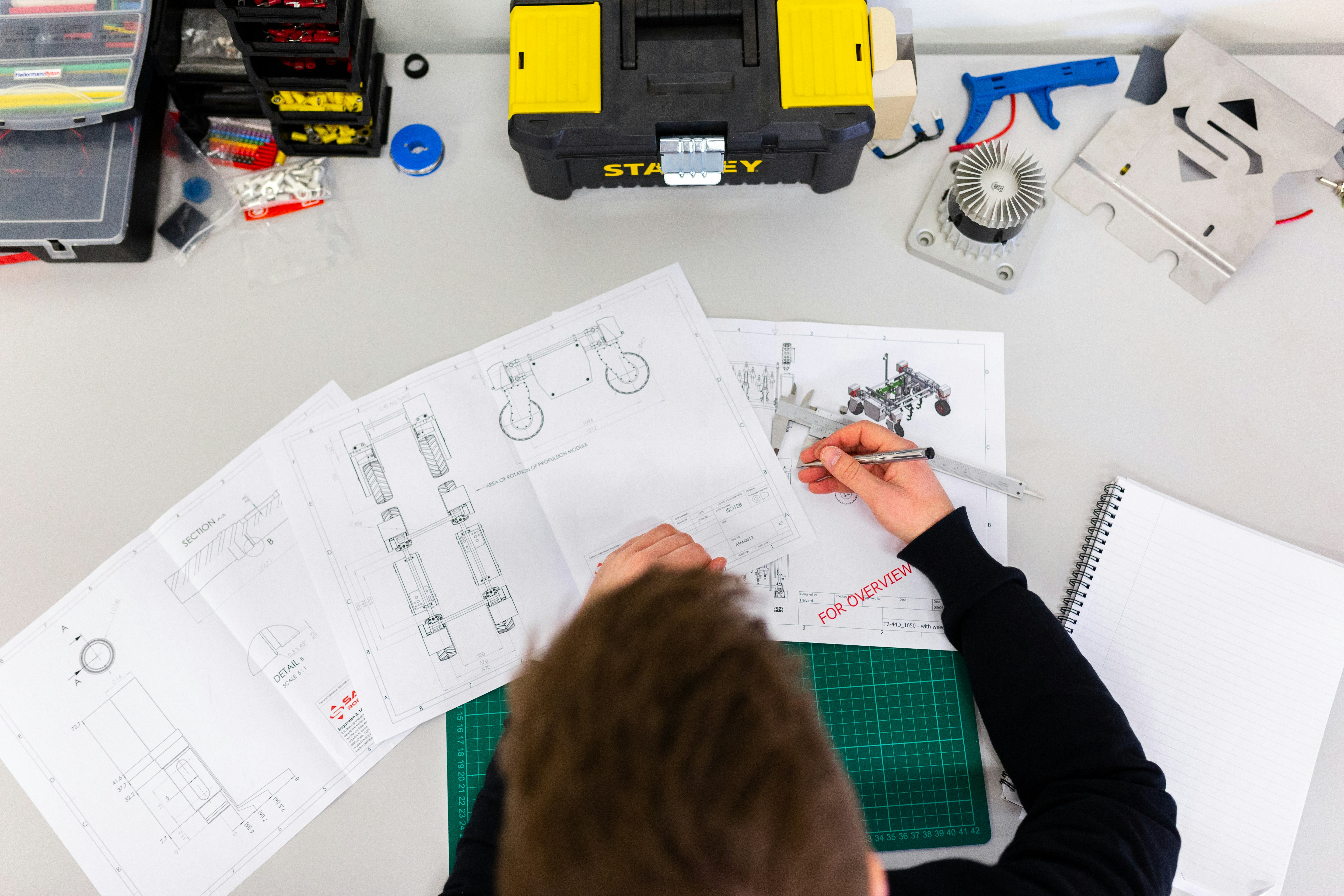
This is where mold trials and adjustments separate competent manufacturers from partners who actually understand Western production requirements. The process from sample to qualified part isn't linear—it's iterative, and each iteration teaches you something about the gap between "works fine" and "works every time." When you're supplying small appliances, kitchen gadgets, or consumer electronics to brands selling through Amazon or Target, consistency isn't a premium feature. It's the baseline entry point.
The second trial addressed the obvious problems. We adjusted cooling channels to eliminate stress marks and refined the mold parting surface. The samples came back better, definitely closer. The client's response was shorter this time but introduced new concerns: dimensional drift across a production batch, surface finish variations under different lighting conditions, and gate witness marks that might snag during automated assembly. Each issue individually seemed trivial. Collectively, they represented the difference between parts that require human QC sorting and parts that flow through automated systems.
By the third round, I started tracking patterns. Morning shots versus afternoon shots showed temperature-related variations. Different material lot numbers produced subtly different shrinkage rates. The position within each multi-cavity mold affected final dimensions by margins most manufacturers would ignore. Western clients don't ignore these margins because their production economics depend on minimal human intervention. When a brand is assembling thousands of units daily across facilities in Mexico or Vietnam, every part that requires manual inspection or fitting adjustment multiplies labor costs and slows throughput.
The fourth trial finally hit the mark, but not because we achieved perfection. We achieved predictable consistency across variables that matter to automated assembly. Wall thickness uniformity within 8% across all sections. Parting line flash under 0.1mm. Dimensional tolerance holding to ±0.05mm across a 500-shot trial run. Surface finish matching Pantone references under 5000K lighting. These aren't arbitrary requirements—they're the engineering translation of "every part must work exactly like every other part."
Understanding mold trials and adjustments as a process rather than a checklist changes how you approach product development with Western clients. They're not being difficult when they reject samples that look fine. They're protecting assembly line economics that assume zero human judgment in parts handling. A batch where you can "pick the good ones" might work for lower-volume regional markets, but it creates chaos in facilities designed around statistical process control and automated quality gates.
The real lesson from those four trial rounds was about expectations alignment. When a client asks for samples, they're not asking "can you make this part?" They're asking "can you make this part identically, repeatedly, at volume, with minimal variation?" The gap between those two questions is exactly where most mold trials add unexpected rounds. The first sample proves you understand the design. The subsequent trials prove you understand the manufacturing system it needs to integrate into.

Temperature control during injection becomes critical when you're targeting consistency rather than just acceptable parts. We learned to monitor melt temperature, mold temperature, and cooling time as tightly controlled variables rather than rough guidelines. A 5-degree Celsius variation in melt temp that produces visually identical parts will create measurable differences in shrinkage, crystallinity, and residual stress. Those differences don't matter until you're trying to maintain dimensional consistency across weeks of production and multiple material lots.
Material selection also shifts focus during the trial process. Western clients often specify particular resin grades not because alternatives wouldn't work, but because their existing qualification and testing databases are built around specific materials. Suggesting a "similar but cheaper" alternative might save unit cost but creates qualification delays that dwarf any material savings. The trials validate not just part geometry but the entire material-process-tooling combination as a system.
This is particularly relevant for small appliances and consumer products where aesthetic consistency matters as much as functional performance. A handheld kitchen gadget needs uniform surface gloss because customers compare units side-by-side on retail shelves or in unboxing videos. A USB-C hub housing needs consistent color because tech reviewers notice variation between review samples and production units. These aren't manufacturing defects in the traditional sense—they're market perception risks that Western brands manage through tight process control.
By the time we shipped production-qualified samples for that coffee maker tank, I had learned to anticipate two extra trial rounds as standard for any new Western client relationship. Not because we're incompetent, but because their definition of "qualified" encompasses variables we don't naturally measure. The process taught me that mold trials aren't about fixing obvious problems—they're about discovering which non-obvious variations actually matter in the client's production context.