" height="21.943622918266314px" id="HqU1V_VXu" width="76.57577685890533px"/><path d="M 20.228 10.24 L 10.114 10.24 L 10.114 8.777 L 20.228 8.777 Z M 21.672 20.48 L 15.171 20.48 L 15.171 19.018 L 21.672 19.018 Z M 0 19.018 L 0 0 L 1.445 0 L 1.445 19.018 Z M 20.228 19.018 L 20.228 0 L 21.672 0 L 21.672 19.018 Z" fill="rgb(255, 255, 255)" height="20.480488152641314px" id="bfuCuMlPp" transform="translate(27.507 1.519)" width="21.672358558014366px"/><path d="M 42.622 19.018 L 42.622 0 L 44.067 0 L 44.067 19.018 Z M 54.903 8.777 L 54.903 0 L 56.348 0 L 56.348 8.777 Z M 75.131 8.777 L 75.131 0 L 76.575 0 L 76.575 8.777 Z M 70.796 19.018 L 70.796 10.241 L 72.241 10.241 L 72.241 19.018 Z M 59.238 19.018 L 59.238 10.241 L 60.683 10.241 L 60.683 19.018 Z M 1.445 0 L 1.445 20.481 L 0 20.481 L 0 0 Z M 11.559 20.481 L 1.445 20.481 L 1.445 19.018 L 11.559 19.018 Z M 21.672 10.24 L 10.114 10.24 L 10.114 8.777 L 21.672 8.777 Z" fill="rgb(255, 255, 255)" height="20.480826258659363px" id="TduQKyNcg" transform="translate(0 1.519)" width="76.57543472988937px"/><path d="M 10.114 9.07 L 10.114 0 L 11.559 0 L 11.559 9.07 Z M 0 19.311 L 0 10.533 L 1.445 10.533 L 1.445 19.311 Z M 10.114 20.774 L 10.114 13.459 L 11.559 13.459 L 11.559 20.774 Z M 4.334 20.774 L 4.334 13.458 L 5.779 13.458 L 5.779 20.774 Z M 5.78 13.459 L 10.114 13.459 L 10.114 14.922 L 5.78 14.922 Z M 5.78 19.311 L 10.114 19.311 L 10.114 20.774 L 5.78 20.774 Z M 79.032 2.487 L 92.035 2.487 L 92.035 3.95 L 79.032 3.95 Z M 96.37 2.487 L 109.373 2.487 L 109.373 3.95 L 96.37 3.95 Z M 113.708 2.487 L 126.711 2.487 L 126.711 3.95 L 113.708 3.95 Z M 135.38 2.487 L 148.384 2.487 L 148.384 3.95 L 135.38 3.95 Z M 86.256 8.339 L 92.035 8.339 L 92.035 9.802 L 86.256 9.802 Z M 97.815 8.339 L 110.818 8.339 L 110.818 9.802 L 97.815 9.802 Z M 80.477 15.653 L 93.48 15.653 L 93.48 17.116 L 80.477 17.116 Z M 97.815 15.653 L 110.818 15.653 L 110.818 17.116 L 97.815 17.116 Z M 79.032 15.653 L 79.032 3.95 L 80.477 3.95 L 80.477 15.653 Z M 96.37 15.653 L 96.37 3.95 L 97.815 3.95 L 97.815 15.653 Z M 113.708 17.116 L 113.708 3.95 L 115.153 3.95 L 115.153 17.116 Z M 135.38 15.653 L 135.38 3.95 L 136.825 3.95 L 136.825 15.653 Z M 152.718 15.653 L 152.718 2.487 L 154.163 2.487 L 154.163 15.653 Z M 170.056 15.653 L 170.056 2.487 L 171.5 2.487 L 171.5 15.653 Z M 187.394 15.653 L 187.394 2.487 L 188.839 2.487 L 188.839 15.653 Z" fill="rgb(255, 255, 255)" height="20.773521135658505px" id="jAG3tW2Le" transform="translate(10.169 1.182)" width="188.83858780606124px"/><path d="M 62.127 5.852 L 75.131 5.852 L 75.131 7.315 L 62.127 7.315 Z M 79.465 5.852 L 92.469 5.852 L 92.469 7.315 L 79.465 7.315 Z M 96.803 5.852 L 108.362 5.852 L 108.362 7.315 L 96.803 7.315 Z M 79.465 0 L 91.024 0 L 91.024 1.463 L 79.465 1.463 Z M 92.469 1.463 L 92.469 5.852 L 91.024 5.852 L 91.024 1.463 Z M 109.807 7.315 L 109.807 14.629 L 108.362 14.629 L 108.362 7.315 Z M 62.127 13.166 L 75.131 13.166 L 75.131 14.629 L 62.127 14.629 Z M 79.465 13.166 L 92.469 13.166 L 92.469 14.629 L 79.465 14.629 Z M 34.675 14.629 L 34.675 1.463 L 36.12 1.463 L 36.12 14.629 Z M 56.348 13.166 L 56.348 1.463 L 57.793 1.463 L 57.793 13.166 Z M 44.789 13.166 L 57.793 13.166 L 57.793 14.629 L 44.789 14.629 Z M 39.01 14.629 L 39.01 2.926 L 40.455 2.926 L 40.455 14.629 Z M 39.01 1.463 L 39.01 0 L 40.455 0 L 40.455 1.463 Z M 0 13.166 L 0 5.852 L 1.445 5.852 L 1.445 13.166 Z M 17.338 5.852 L 17.338 1.463 L 18.782 1.463 L 18.782 5.852 Z M 106.917 0 L 108.361 0 L 108.361 1.463 L 106.917 1.463 Z M 105.472 1.463 L 106.917 1.463 L 106.917 2.926 L 105.472 2.926 Z M 104.027 2.926 L 105.472 2.926 L 105.472 4.389 L 104.027 4.389 Z M 102.583 4.389 L 104.027 4.389 L 104.027 5.852 L 102.583 5.852 Z" fill="rgb(255, 255, 255)" height="14.62930651858536px" id="yTdOA_r0t" transform="translate(102.194 3.714)" width="109.80650620205734px"/></g></svg>)
Learn how to approach hardware prototype development with appearance models, functional prototypes, user testing, and engineering revisions before tooling starts.

"A prototype earns its cost only when it answers the next critical question clearly." - Jase Lee
Prototype development is the point where a hardware team stops arguing with imagination and starts arguing with evidence. Before this stage, almost every opinion about the product is partly theoretical. Once prototypes exist, the team can see what works, what feels wrong, what fails under use, and what has been underestimated. That is why prototyping is not a side step in development. It is one of the central engines of learning.
Yet many startups use prototypes poorly. Some build prototypes mainly to impress investors. Some try to validate everything at once. Some expect one prototype round to deliver clarity on function, appearance, usability, and manufacturability. The result is often confusion. A better approach is to treat each prototype as a specific question in physical form.

Different prototypes answer different questions
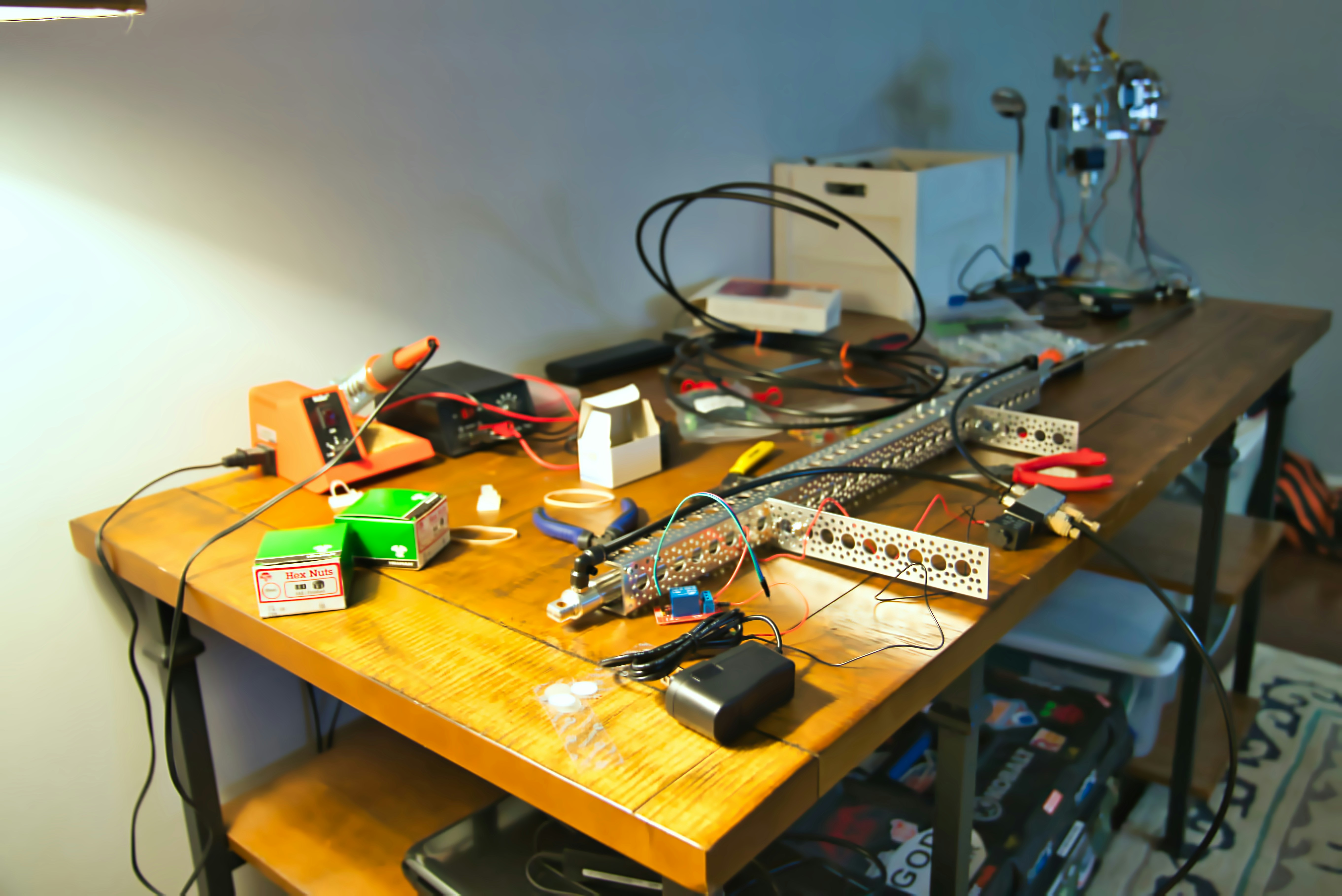
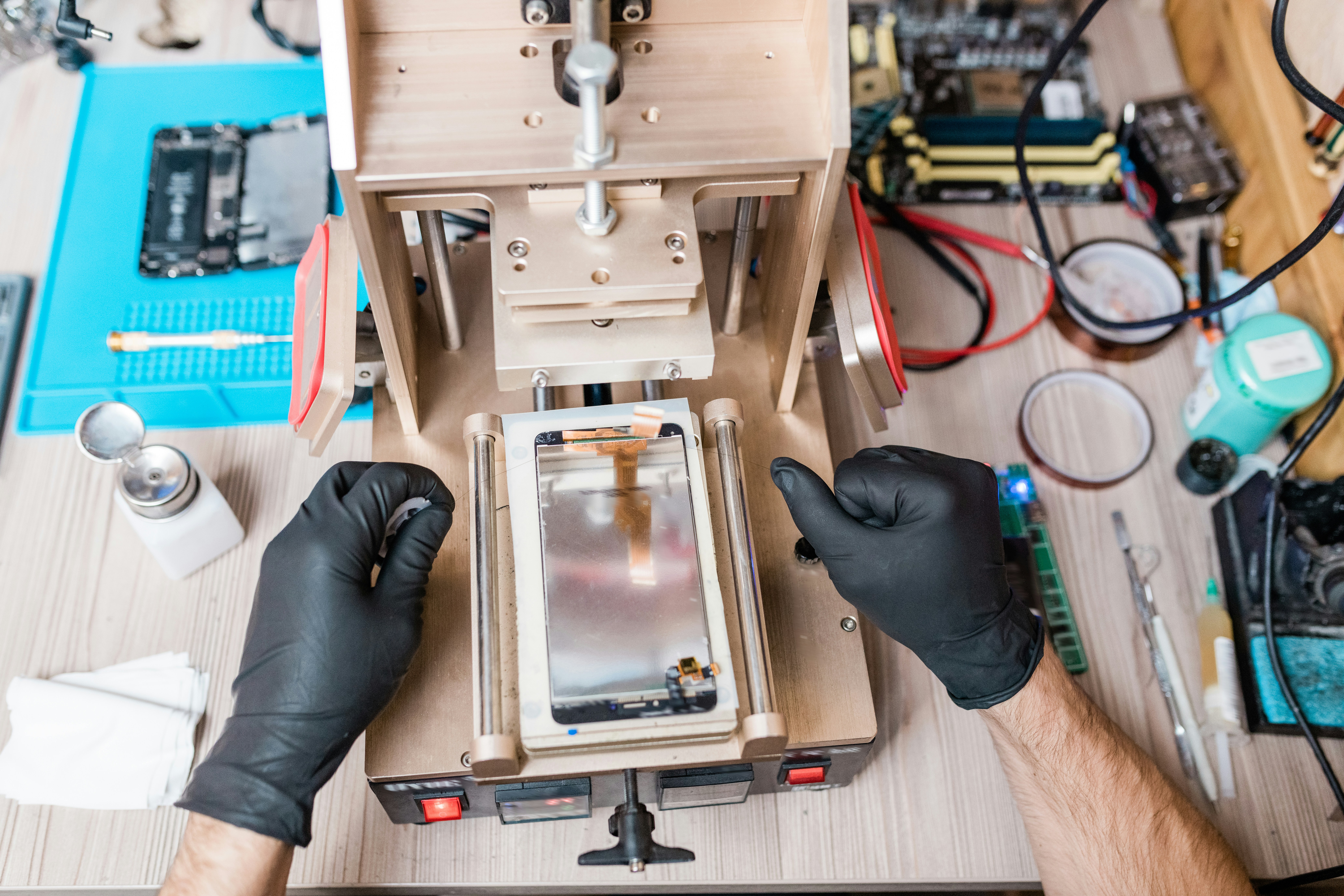
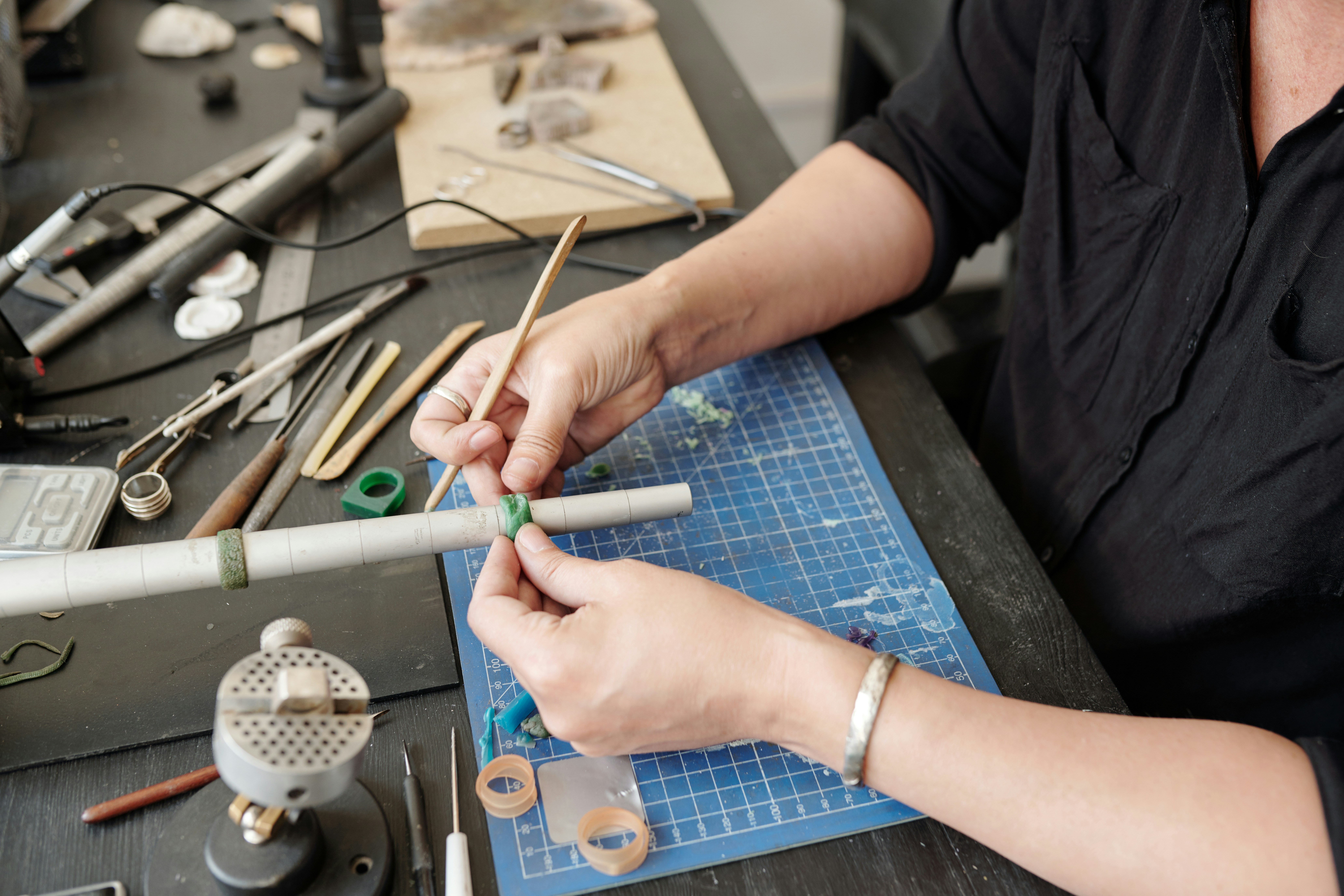
An appearance prototype is not the same as a functional prototype. A visual model may help judge scale, finish, proportion, ergonomic comfort, and perceived quality. A functional prototype may test the product mechanism, electronics integration, fit, thermal behavior, or basic performance. Assembly prototypes can expose structural weaknesses, fastening issues, and serviceability concerns. Each type should be chosen according to the risk the team most needs to reduce.
This is where method selection matters. SLA, CNC, vacuum casting, sheet metal, and PCB integration each serve different purposes. Founders do not need to become experts in every process, but they do need a team that understands when speed, fidelity, structure, or manufacturability should take priority in the next build.
What should be tested first
Start with the assumptions most likely to break the program. If the product relies on a mechanism that must feel smooth and precise, test that before refining cosmetic details. If the core selling point depends on compact packaging of components, test internal layout before polishing the outer shell. If the market promise depends on a premium hand feel, make sure the ergonomic and tactile reality supports that promise early rather than leaving it to the end.
Many teams waste prototype cycles because they focus on what is easiest to visualize instead of what is riskiest to validate. Prototyping becomes far more efficient when every round is attached to a learning goal: does this solve the user problem, can this architecture actually work, will this structure survive use, and what needs to change before tooling?
Common prototype mistakes
Treating the first functional success as proof that the design is production-ready.
Using unrealistic materials or conditions during testing and then over-trusting the results.
Ignoring assembly and serviceability while focusing only on user-facing performance.
Delaying supplier or manufacturing review until too much of the design is emotionally fixed.
Confusing investor demo quality with market-ready quality.


Multiple rounds are often a sign of healthy learning. Early prototypes are supposed to teach. Later prototypes are supposed to confirm. Geniotek's focus on high-fidelity prototype development is valuable because it links every build to the next business decision rather than treating prototypes as presentation props. In hardware, prototypes are where risk becomes visible, and the teams that respect that truth usually develop better products and arrive at production with stronger control.
Founder reality check
Prototype work gets expensive when the team uses it to feel reassured instead of to learn. A build that looks impressive but answers the wrong question is still inefficient. Founders should therefore treat each prototype as a deliberate test of uncertainty: functionality, ergonomics, durability, assembly, thermal behavior, or cost assumptions. The prototype earns its place when it removes doubt that matters to the next decision. Without that discipline, iteration can become a visually convincing loop that keeps spending money while leaving the most serious risks in place.
A practical checklist before spending more money
Before the team commits additional budget, it helps to force a disciplined review. Has the product definition become clear enough for outside partners to act on it without constant reinterpretation? Are the current assumptions around cost, timing, quality, and customer expectations based on evidence or on hope? Have the most important unknowns been isolated, or are several major questions still bundled together in a way that hides risk? This is where the right testing objective, method choice, and revision logic becomes more than an execution issue. It becomes a signal of business maturity. Teams that ask these questions early are usually better at protecting runway, prioritizing version one correctly, and avoiding the false confidence that often appears when a project simply looks more tangible.
Common failure patterns
A common way teams get into trouble with prototype development is not one dramatic failure. It is a build-up of small compromises that nobody stops early enough. A founder pushes ahead because one promising data point feels good enough. A supplier gives a vague green light that gets interpreted as deep readiness. A prototype solves one problem and gets over-credited as proof that the whole system is working. Then the team discovers that the team uses prototypes as presentation tools instead of structured evidence-gathering tools is more serious than expected. By then the technical problem has already become a business problem, because time, confidence, and budget have been used up. The answer is not paralysis. It is better gates, better evidence, and fewer decisions made on sheer momentum.
How this changes by company stage
The right approach changes with company stage. A solo inventor, an early-stage startup, and a growth-stage brand can be building similar products while needing very different levels of structure, reporting, and risk control. Inventors usually need help turning instinct into a practical next move. Startups with limited runway need tighter scope and faster commercial clarity. Growth-stage brands usually care more about coordination, reporting, and avoiding surprises that could affect a broader portfolio. That is why prototype development should never be handled as a generic checklist copied from another company. The process has to fit the team's stage, internal capabilities, and exposure to downside risk.
What good decision signals look like
A better test is to look for concrete signals, not a vague feeling of momentum. Those signals may include stable assumptions, more consistent test outcomes, clearer supplier feedback, fewer contradictions between design and manufacturing logic, and a tighter connection between customer value and product scope. In this stage, useful signals include sharper test results, better failure interpretation, and clearer readiness for tooling or pilot runs. No single signal removes risk, but taken together they show whether the project is getting sturdier or merely getting busier.
Questions worth asking partners and vendors
Outside partners can help clarify the program, or they can add noise to it. That is why founders need to ask harder questions early. What is the partner assuming that has not yet been validated? Which part of the product definition still feels unstable from their point of view? Where do they expect iteration or delay, even if they have not flagged it formally? How would they simplify the current path without damaging the core customer value? If a vendor cannot explain trade-offs clearly, treat that as a warning sign. Good partners do more than reassure. They point out where the plan still looks neat on paper but fragile in practice.
How Geniotek typically helps at this stage
Geniotek approaches prototypes as risk-reduction assets, matching prototype type to the learning goal so each round earns the next decision. Rather than waiting for expensive errors to appear, the team works to expose them sooner, shape the next milestone more carefully, and keep engineering choices connected to business goals. That is especially useful for clients who need more than isolated design or factory services. They need someone who can connect concept logic, timeline realism, supplier truth, and launch consequences into one coherent direction.
Why this stage shapes economics later
The commercial impact usually shows up much earlier than most founders expect. Prototype choices affect not only engineering confidence but also schedule, tooling timing, and whether the business commits to production from a position of knowledge or wishful thinking. The same logic carries into schedule, quality, and brand reputation. Teams that take this stage seriously usually make better products and run healthier businesses.
Final takeaway
prototype development should be understood as part of a wider system rather than as a stand-alone milestone. Good teams do not wait for certainty. They shrink the biggest risks first, make assumptions explicit, and move forward without creating unnecessary chaos.
Execution lens
A simple test is whether the next person in the chain can act without guessing. When a stage ends with vague assumptions, the next designer, engineer, supplier, or launch lead has to interpret instead of execute. That hidden cost shows up as slower progress and repeated clarification. Clear notes, cleaner priorities, and fewer unresolved contradictions matter more than teams usually admit.
Stakeholder alignment
This stage also affects trust. Internal teams lose confidence when priorities keep moving, suppliers become cautious when the product definition keeps shifting, and investors read inconsistency as execution risk. Even customers feel it when a company launches before it is truly ready. Clearer communication does not mean explaining everything. It means giving the right people enough clarity to make decisions without guessing.
Next-step framework
A better next step is to label the upcoming prototype by its job, not by its version number. Decide whether it is meant to test function, user handling, internal packaging, manufacturability, or appearance. Then define the pass criteria before the build starts. That habit makes review meetings much cleaner because the team can judge whether the prototype did what it was meant to do instead of drifting into vague debates about whether the product now feels close enough to finished.