" height="21.943622918266314px" id="HqU1V_VXu" width="76.57577685890533px"/><path d="M 20.228 10.24 L 10.114 10.24 L 10.114 8.777 L 20.228 8.777 Z M 21.672 20.48 L 15.171 20.48 L 15.171 19.018 L 21.672 19.018 Z M 0 19.018 L 0 0 L 1.445 0 L 1.445 19.018 Z M 20.228 19.018 L 20.228 0 L 21.672 0 L 21.672 19.018 Z" fill="rgb(255, 255, 255)" height="20.480488152641314px" id="bfuCuMlPp" transform="translate(27.507 1.519)" width="21.672358558014366px"/><path d="M 42.622 19.018 L 42.622 0 L 44.067 0 L 44.067 19.018 Z M 54.903 8.777 L 54.903 0 L 56.348 0 L 56.348 8.777 Z M 75.131 8.777 L 75.131 0 L 76.575 0 L 76.575 8.777 Z M 70.796 19.018 L 70.796 10.241 L 72.241 10.241 L 72.241 19.018 Z M 59.238 19.018 L 59.238 10.241 L 60.683 10.241 L 60.683 19.018 Z M 1.445 0 L 1.445 20.481 L 0 20.481 L 0 0 Z M 11.559 20.481 L 1.445 20.481 L 1.445 19.018 L 11.559 19.018 Z M 21.672 10.24 L 10.114 10.24 L 10.114 8.777 L 21.672 8.777 Z" fill="rgb(255, 255, 255)" height="20.480826258659363px" id="TduQKyNcg" transform="translate(0 1.519)" width="76.57543472988937px"/><path d="M 10.114 9.07 L 10.114 0 L 11.559 0 L 11.559 9.07 Z M 0 19.311 L 0 10.533 L 1.445 10.533 L 1.445 19.311 Z M 10.114 20.774 L 10.114 13.459 L 11.559 13.459 L 11.559 20.774 Z M 4.334 20.774 L 4.334 13.458 L 5.779 13.458 L 5.779 20.774 Z M 5.78 13.459 L 10.114 13.459 L 10.114 14.922 L 5.78 14.922 Z M 5.78 19.311 L 10.114 19.311 L 10.114 20.774 L 5.78 20.774 Z M 79.032 2.487 L 92.035 2.487 L 92.035 3.95 L 79.032 3.95 Z M 96.37 2.487 L 109.373 2.487 L 109.373 3.95 L 96.37 3.95 Z M 113.708 2.487 L 126.711 2.487 L 126.711 3.95 L 113.708 3.95 Z M 135.38 2.487 L 148.384 2.487 L 148.384 3.95 L 135.38 3.95 Z M 86.256 8.339 L 92.035 8.339 L 92.035 9.802 L 86.256 9.802 Z M 97.815 8.339 L 110.818 8.339 L 110.818 9.802 L 97.815 9.802 Z M 80.477 15.653 L 93.48 15.653 L 93.48 17.116 L 80.477 17.116 Z M 97.815 15.653 L 110.818 15.653 L 110.818 17.116 L 97.815 17.116 Z M 79.032 15.653 L 79.032 3.95 L 80.477 3.95 L 80.477 15.653 Z M 96.37 15.653 L 96.37 3.95 L 97.815 3.95 L 97.815 15.653 Z M 113.708 17.116 L 113.708 3.95 L 115.153 3.95 L 115.153 17.116 Z M 135.38 15.653 L 135.38 3.95 L 136.825 3.95 L 136.825 15.653 Z M 152.718 15.653 L 152.718 2.487 L 154.163 2.487 L 154.163 15.653 Z M 170.056 15.653 L 170.056 2.487 L 171.5 2.487 L 171.5 15.653 Z M 187.394 15.653 L 187.394 2.487 L 188.839 2.487 L 188.839 15.653 Z" fill="rgb(255, 255, 255)" height="20.773521135658505px" id="jAG3tW2Le" transform="translate(10.169 1.182)" width="188.83858780606124px"/><path d="M 62.127 5.852 L 75.131 5.852 L 75.131 7.315 L 62.127 7.315 Z M 79.465 5.852 L 92.469 5.852 L 92.469 7.315 L 79.465 7.315 Z M 96.803 5.852 L 108.362 5.852 L 108.362 7.315 L 96.803 7.315 Z M 79.465 0 L 91.024 0 L 91.024 1.463 L 79.465 1.463 Z M 92.469 1.463 L 92.469 5.852 L 91.024 5.852 L 91.024 1.463 Z M 109.807 7.315 L 109.807 14.629 L 108.362 14.629 L 108.362 7.315 Z M 62.127 13.166 L 75.131 13.166 L 75.131 14.629 L 62.127 14.629 Z M 79.465 13.166 L 92.469 13.166 L 92.469 14.629 L 79.465 14.629 Z M 34.675 14.629 L 34.675 1.463 L 36.12 1.463 L 36.12 14.629 Z M 56.348 13.166 L 56.348 1.463 L 57.793 1.463 L 57.793 13.166 Z M 44.789 13.166 L 57.793 13.166 L 57.793 14.629 L 44.789 14.629 Z M 39.01 14.629 L 39.01 2.926 L 40.455 2.926 L 40.455 14.629 Z M 39.01 1.463 L 39.01 0 L 40.455 0 L 40.455 1.463 Z M 0 13.166 L 0 5.852 L 1.445 5.852 L 1.445 13.166 Z M 17.338 5.852 L 17.338 1.463 L 18.782 1.463 L 18.782 5.852 Z M 106.917 0 L 108.361 0 L 108.361 1.463 L 106.917 1.463 Z M 105.472 1.463 L 106.917 1.463 L 106.917 2.926 L 105.472 2.926 Z M 104.027 2.926 L 105.472 2.926 L 105.472 4.389 L 104.027 4.389 Z M 102.583 4.389 L 104.027 4.389 L 104.027 5.852 L 102.583 5.852 Z" fill="rgb(255, 255, 255)" height="14.62930651858536px" id="yTdOA_r0t" transform="translate(102.194 3.714)" width="109.80650620205734px"/></g></svg>)
A cautionary case study on what happens when you skip first article inspection, showing how a $35,000 mistake unfolded and why this checkpoint is the last line of defense before mass production.

Last year, a kitchen appliance importer in Los Angeles ordered 5,000 blenders from an overseas factory. The manufacturer assured him everything was perfect, so he approved full production without conducting a first article inspection. When the shipment arrived at his warehouse, every single power cord had crooked plug prongs that wouldn't fit standard American outlets. Between rework costs, expedited shipping, and late delivery penalties to retailers, he lost over thirty-five thousand dollars. He told me later that two days spent on proper first article inspection would have saved him every penny of that loss.
Many product developers assume first article inspection is redundant. After all, didn't the factory already send approved samples? Haven't the technical drawings and specifications been reviewed multiple times? The critical difference is that samples and mass production operate in completely different worlds. During the sampling phase, factories typically assign their most skilled technicians to hand-assemble prototypes using carefully selected materials. When production scales up to thousands of units, everything changes: assembly line workers replace craftsmen, bulk-purchased materials replace hand-picked components, and automated processes replace manual precision. This transition is exactly where problems emerge.
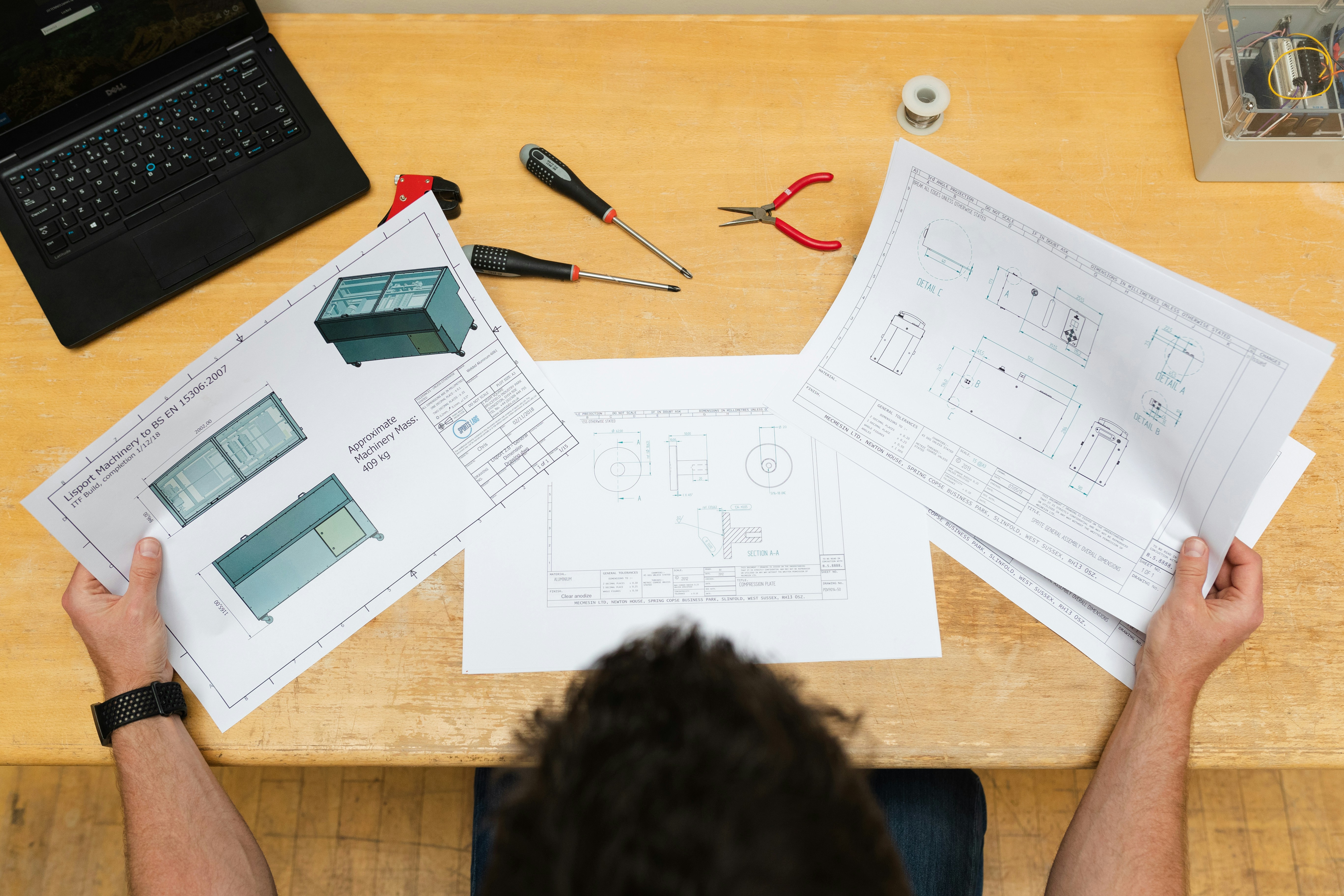
Consider plastic housings for small appliances. The sample might use virgin resin with perfect color matching and structural integrity. In mass production, the factory might switch to a different resin batch or add recycled content to reduce costs. Suddenly, the housing color has visible streaks, or the plastic becomes brittle and cracks during assembly. Without first article inspection to catch these material substitutions early, you'll discover the problem only after several thousand defective units have been manufactured.
Metal components present similar risks. A hardware manufacturer producing cabinet handles might deliver beautiful samples with smooth chrome plating. During production runs, if the plating bath chemistry drifts or processing times get shortened to meet quotas, the finish quality degrades. Handles might show pitting, discoloration, or insufficient coating thickness that fails salt spray testing. First article inspection gives you the chance to verify that production-line output genuinely matches what you approved during the sampling stage.
The inspection process itself is straightforward but requires discipline. Once the factory completes the first production unit using actual assembly line methods and materials, you verify it against your specifications before authorizing continued production. This means checking dimensional accuracy, testing functionality, verifying materials and finishes, confirming packaging meets requirements, and ensuring regulatory compliance markings are present and correct. For electrical products, this includes safety testing to confirm proper grounding, insulation resistance, and compliance with UL, CE, or other applicable standards.
Timing matters enormously. First article inspection should happen after production setup is complete but before the factory has manufactured more than a handful of units. Some importers make the mistake of waiting until hundreds or thousands of pieces are finished before conducting their inspection. At that point, you've lost your leverage. If problems surface, the factory has already invested significant labor and materials, making them resistant to corrections. Catching issues at the first article stage means minimal waste and maximum willingness to make adjustments.
The cost of conducting proper first article inspection is negligible compared to the financial exposure of skipping it. Even for modest production runs of consumer electronics, kitchen gadgets, or hardware products, defect rates of just two or three percent can translate into thousands of dollars in returns, refunds, and brand damage. For B2B buyers supplying retailers or fulfilling corporate contracts, the stakes climb even higher because late deliveries trigger penalty clauses and damaged relationships with major accounts.
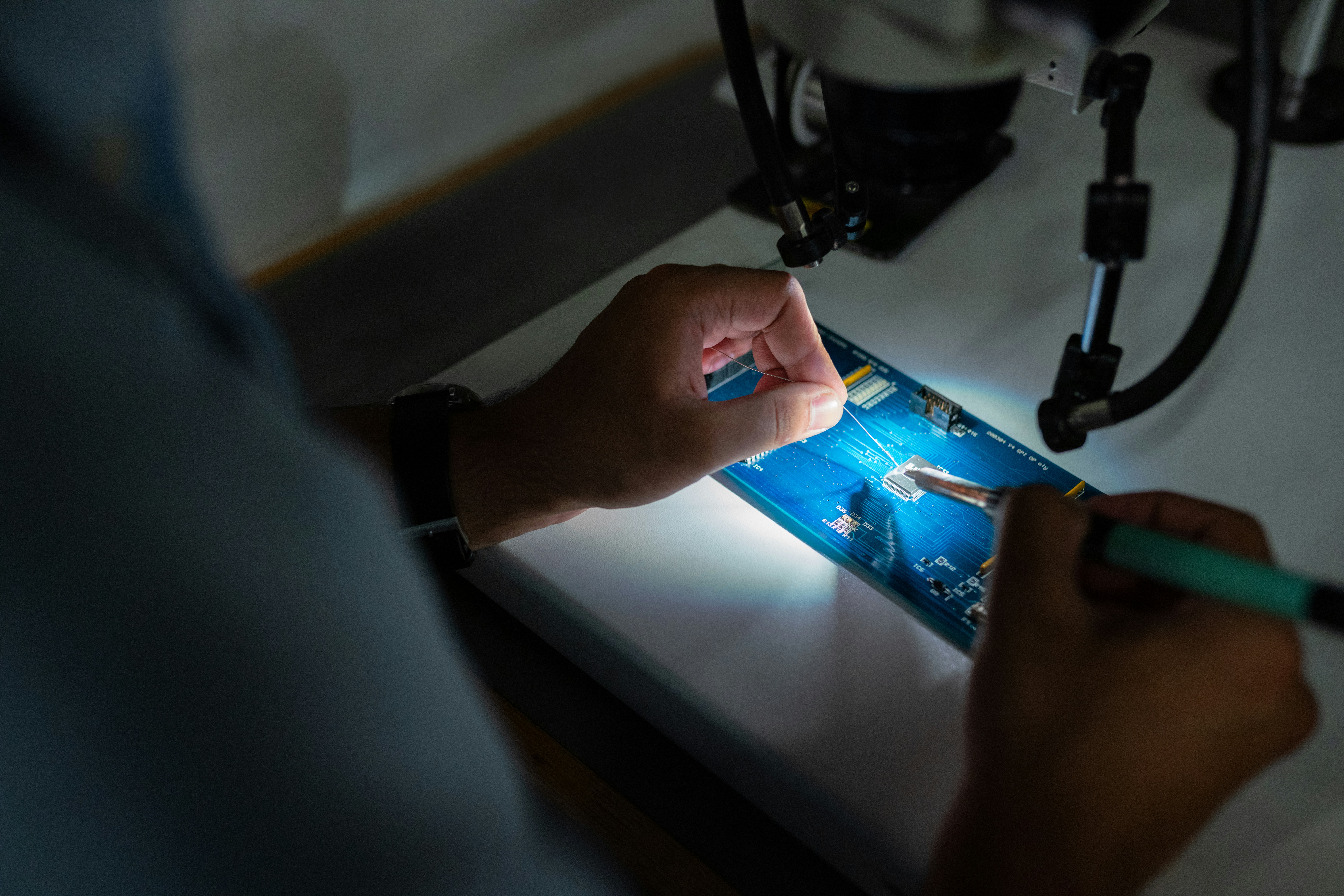
That Los Angeles importer now builds first article inspection into every production timeline. He treats it as non-negotiable insurance against manufacturing drift. The two days required for thorough first article inspection have repeatedly saved him from repeating his thirty-five-thousand-dollar lesson. In manufacturing, the first piece tells you everything about the next ten thousand.