" height="21.943622918266314px" id="HqU1V_VXu" width="76.57577685890533px"/><path d="M 20.228 10.24 L 10.114 10.24 L 10.114 8.777 L 20.228 8.777 Z M 21.672 20.48 L 15.171 20.48 L 15.171 19.018 L 21.672 19.018 Z M 0 19.018 L 0 0 L 1.445 0 L 1.445 19.018 Z M 20.228 19.018 L 20.228 0 L 21.672 0 L 21.672 19.018 Z" fill="rgb(255, 255, 255)" height="20.480488152641314px" id="bfuCuMlPp" transform="translate(27.507 1.519)" width="21.672358558014366px"/><path d="M 42.622 19.018 L 42.622 0 L 44.067 0 L 44.067 19.018 Z M 54.903 8.777 L 54.903 0 L 56.348 0 L 56.348 8.777 Z M 75.131 8.777 L 75.131 0 L 76.575 0 L 76.575 8.777 Z M 70.796 19.018 L 70.796 10.241 L 72.241 10.241 L 72.241 19.018 Z M 59.238 19.018 L 59.238 10.241 L 60.683 10.241 L 60.683 19.018 Z M 1.445 0 L 1.445 20.481 L 0 20.481 L 0 0 Z M 11.559 20.481 L 1.445 20.481 L 1.445 19.018 L 11.559 19.018 Z M 21.672 10.24 L 10.114 10.24 L 10.114 8.777 L 21.672 8.777 Z" fill="rgb(255, 255, 255)" height="20.480826258659363px" id="TduQKyNcg" transform="translate(0 1.519)" width="76.57543472988937px"/><path d="M 10.114 9.07 L 10.114 0 L 11.559 0 L 11.559 9.07 Z M 0 19.311 L 0 10.533 L 1.445 10.533 L 1.445 19.311 Z M 10.114 20.774 L 10.114 13.459 L 11.559 13.459 L 11.559 20.774 Z M 4.334 20.774 L 4.334 13.458 L 5.779 13.458 L 5.779 20.774 Z M 5.78 13.459 L 10.114 13.459 L 10.114 14.922 L 5.78 14.922 Z M 5.78 19.311 L 10.114 19.311 L 10.114 20.774 L 5.78 20.774 Z M 79.032 2.487 L 92.035 2.487 L 92.035 3.95 L 79.032 3.95 Z M 96.37 2.487 L 109.373 2.487 L 109.373 3.95 L 96.37 3.95 Z M 113.708 2.487 L 126.711 2.487 L 126.711 3.95 L 113.708 3.95 Z M 135.38 2.487 L 148.384 2.487 L 148.384 3.95 L 135.38 3.95 Z M 86.256 8.339 L 92.035 8.339 L 92.035 9.802 L 86.256 9.802 Z M 97.815 8.339 L 110.818 8.339 L 110.818 9.802 L 97.815 9.802 Z M 80.477 15.653 L 93.48 15.653 L 93.48 17.116 L 80.477 17.116 Z M 97.815 15.653 L 110.818 15.653 L 110.818 17.116 L 97.815 17.116 Z M 79.032 15.653 L 79.032 3.95 L 80.477 3.95 L 80.477 15.653 Z M 96.37 15.653 L 96.37 3.95 L 97.815 3.95 L 97.815 15.653 Z M 113.708 17.116 L 113.708 3.95 L 115.153 3.95 L 115.153 17.116 Z M 135.38 15.653 L 135.38 3.95 L 136.825 3.95 L 136.825 15.653 Z M 152.718 15.653 L 152.718 2.487 L 154.163 2.487 L 154.163 15.653 Z M 170.056 15.653 L 170.056 2.487 L 171.5 2.487 L 171.5 15.653 Z M 187.394 15.653 L 187.394 2.487 L 188.839 2.487 L 188.839 15.653 Z" fill="rgb(255, 255, 255)" height="20.773521135658505px" id="jAG3tW2Le" transform="translate(10.169 1.182)" width="188.83858780606124px"/><path d="M 62.127 5.852 L 75.131 5.852 L 75.131 7.315 L 62.127 7.315 Z M 79.465 5.852 L 92.469 5.852 L 92.469 7.315 L 79.465 7.315 Z M 96.803 5.852 L 108.362 5.852 L 108.362 7.315 L 96.803 7.315 Z M 79.465 0 L 91.024 0 L 91.024 1.463 L 79.465 1.463 Z M 92.469 1.463 L 92.469 5.852 L 91.024 5.852 L 91.024 1.463 Z M 109.807 7.315 L 109.807 14.629 L 108.362 14.629 L 108.362 7.315 Z M 62.127 13.166 L 75.131 13.166 L 75.131 14.629 L 62.127 14.629 Z M 79.465 13.166 L 92.469 13.166 L 92.469 14.629 L 79.465 14.629 Z M 34.675 14.629 L 34.675 1.463 L 36.12 1.463 L 36.12 14.629 Z M 56.348 13.166 L 56.348 1.463 L 57.793 1.463 L 57.793 13.166 Z M 44.789 13.166 L 57.793 13.166 L 57.793 14.629 L 44.789 14.629 Z M 39.01 14.629 L 39.01 2.926 L 40.455 2.926 L 40.455 14.629 Z M 39.01 1.463 L 39.01 0 L 40.455 0 L 40.455 1.463 Z M 0 13.166 L 0 5.852 L 1.445 5.852 L 1.445 13.166 Z M 17.338 5.852 L 17.338 1.463 L 18.782 1.463 L 18.782 5.852 Z M 106.917 0 L 108.361 0 L 108.361 1.463 L 106.917 1.463 Z M 105.472 1.463 L 106.917 1.463 L 106.917 2.926 L 105.472 2.926 Z M 104.027 2.926 L 105.472 2.926 L 105.472 4.389 L 104.027 4.389 Z M 102.583 4.389 L 104.027 4.389 L 104.027 5.852 L 102.583 5.852 Z" fill="rgb(255, 255, 255)" height="14.62930651858536px" id="yTdOA_r0t" transform="translate(102.194 3.714)" width="109.80650620205734px"/></g></svg>)
A 23% return rate on coffee makers taught one manufacturer why vague procedures fail—discover how to write standard operating procedures that ensure every unit meets spec, no matter who's on shift.

Last year, a Seattle-based appliance company contracted manufacturing for their new drip coffee maker line. The first 500-unit shipment resulted in 115 returns. The culprit? Water reservoir lids with inconsistent tightness—some were overtightened and cracked during first use, others leaked during brewing. When questioned, the production manager shrugged and said they'd always assembled units "the normal way." The problem wasn't skill or equipment. It was the absence of proper standard operating procedures.
This scenario repeats across contract manufacturing daily. A well-intentioned production team follows what they think are the right methods, yet quality varies wildly between shifts, operators, and batches. The root cause is almost always the same: SOPs that read more like rough suggestions than actual specifications.
Most companies mistake documentation for standardization. They create documents that say "inspect housing for defects" or "tighten screws securely" and wonder why defect rates remain unpredictable. These instructions fail because they rely entirely on individual interpretation. One technician's "secure" is another's "stripped thread." What separates functional SOPs from decorative paperwork is specificity that eliminates judgment calls during routine operations.

Consider injection-molded plastic enclosures for small kitchen appliances. A typical SOP might instruct workers to "check surface finish." This tells them nothing actionable. An effective SOP specifies that visual inspection occurs at 30 centimeters under 500-lux white lighting, that no scratches exceeding 2 millimeters in length are acceptable, that no sink marks deeper than 0.3 millimeters can exist on visible surfaces, and that color must match Pantone reference sample XYZ within Delta E of 2.0. Notice the difference—the second version could be executed identically by someone starting their first day or completing their thousandth unit.
The principle extends beyond visual checks. For mechanical assembly, documenting torque specifications prevents the problem that plagued those coffee makers. Instead of "attach base plate," the SOP should read: "Apply 4.5 Newton-meters of torque to four M4 screws in star pattern using calibrated torque wrench, verify with go/no-go gauge." For electrical connections, specify wire gauge, terminal crimping force in pounds per square inch, and pull-test requirements. For soldering operations, detail temperature ranges, dwell times, and fillet geometry.
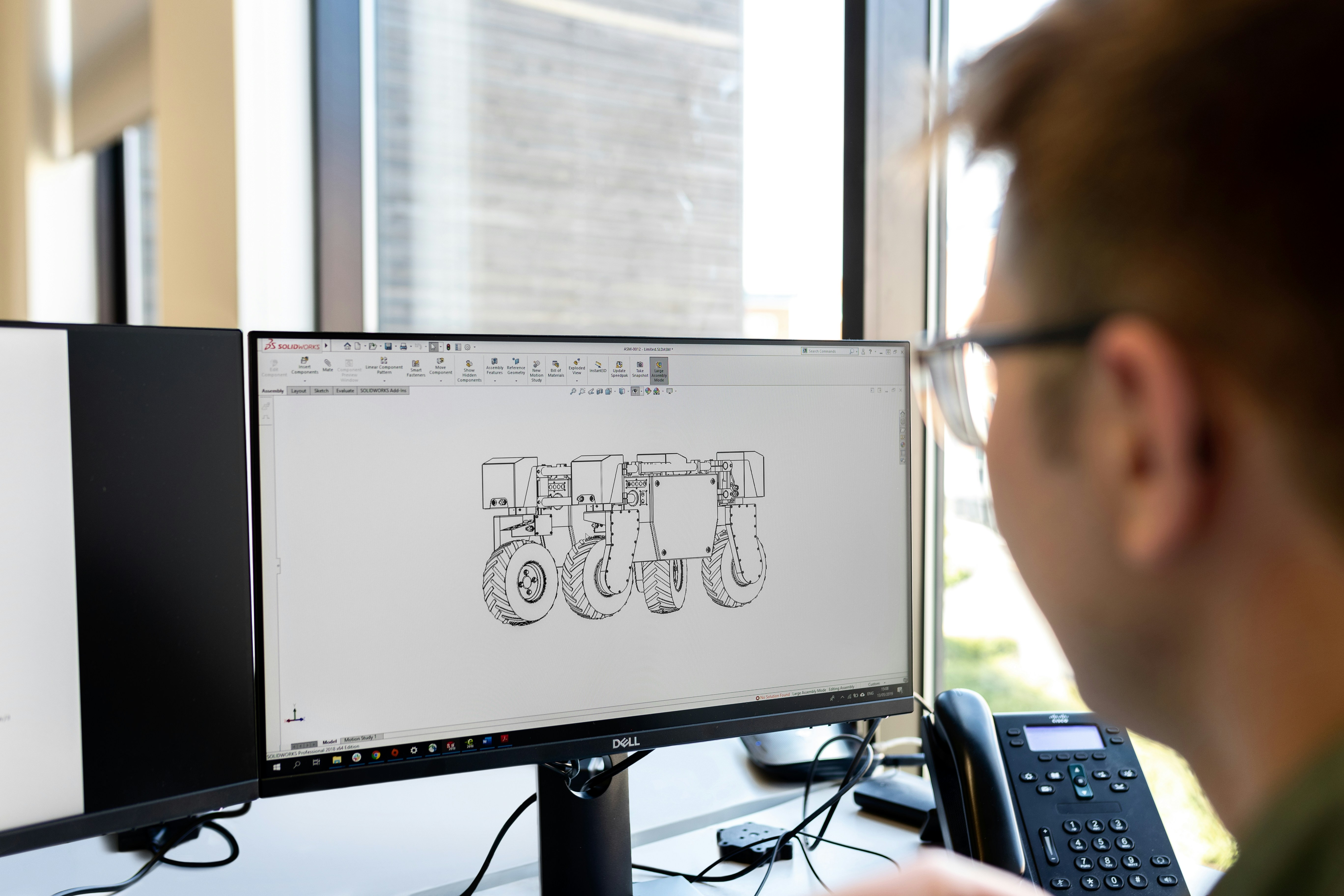
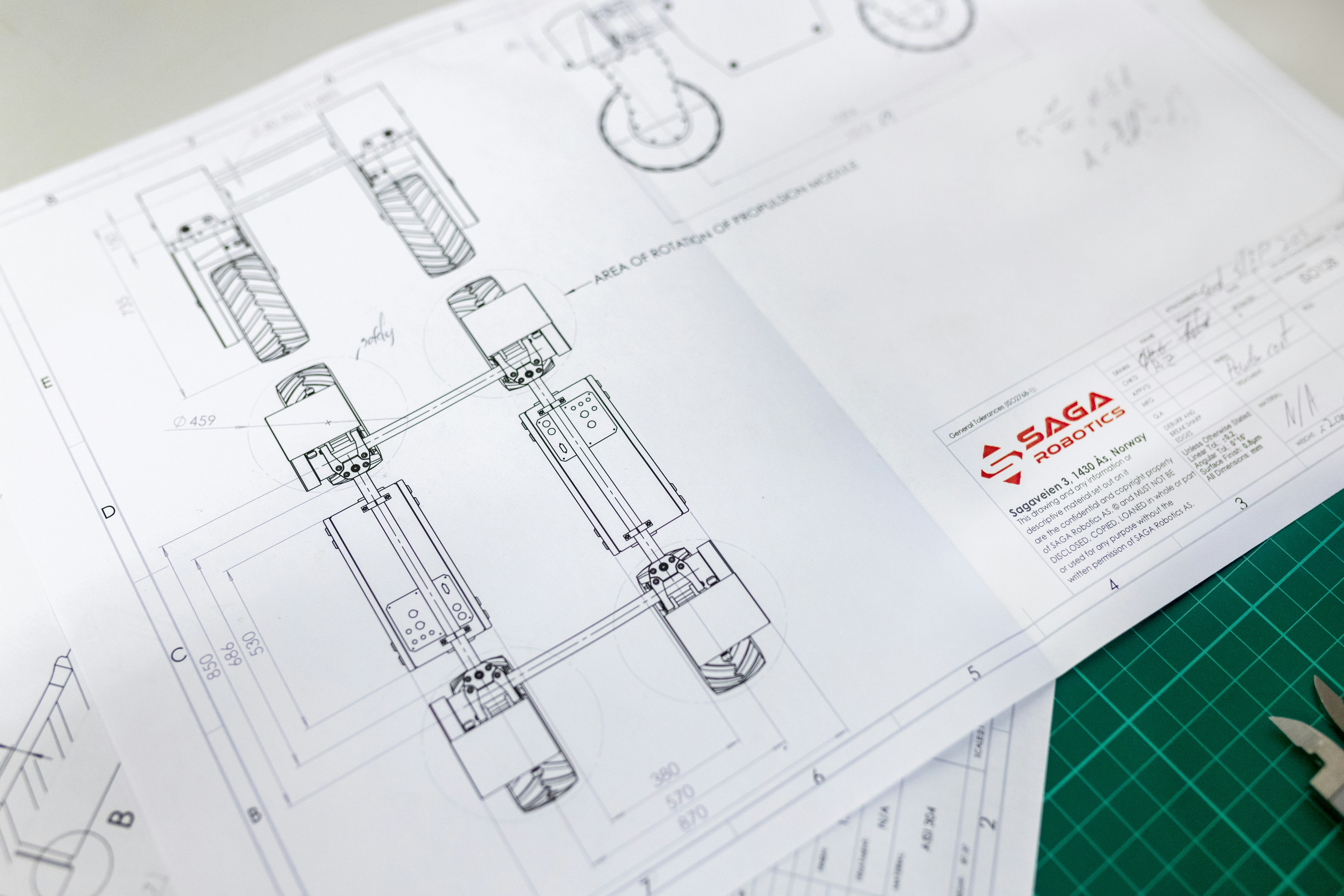
Photographs and diagrams multiply SOP effectiveness exponentially. A paragraph describing proper cable routing inside a toaster housing cannot compete with a clear image showing exact positioning, bend radii, and clearance from heating elements. For complex assemblies, exploded-view diagrams with numbered callouts eliminate ambiguity about part orientation and sequence.
The most overlooked aspect of standard operating procedures is defining acceptable tolerance ranges. Every manufacturing process includes natural variation. Quality issues arise when teams don't know where normal variation ends and defects begin. If a motor mount can sit between 1.8 and 2.2 millimeters from the housing edge without affecting performance, document those limits. Operators need to know what requires rework versus what falls within specification.
Effective SOPs also include the why behind each step. When a technician understands that a specific curing time prevents adhesive failure in high-humidity environments, they're less likely to rush the process during deadline pressure. When they know that a particular cleaning solvent prevents polymer degradation over the product's lifetime, they won't substitute whatever's convenient. Context transforms compliance from blind rule-following into informed quality management.
Testing procedures demand equal rigor. Rather than "verify operation," detail the exact sequence: power on unit, wait for indicator LED, run three brew cycles with specified water volume, measure temperature at five-second intervals, confirm completion time falls between parameters. Include pass-fail criteria that leave no room for interpretation.
Standard operating procedures aren't bureaucratic overhead—they're the mechanism that transforms prototype-level craftsmanship into production-scale consistency. Every returned product, every warranty claim, every customer complaint traces back to a moment when process variation exceeded acceptable limits. The question isn't whether to document procedures thoroughly. It's whether you can afford not to.