Appearance vs Functional Prototypes: What Investors Want First
Choosing the Right AI Stack for Your Startup
Understand the difference between appearance and functional prototypes, and why building functional prototypes first leads to stronger early hardware validation.
Last week I was on a call with a Seattle hardware founder who spent three grand on a gorgeous appearance prototype. When he pitched angel investors, the first question was: "Does it actually turn on?" That's when he realized he'd built the wrong thing at the wrong time.
I see this mistake constantly with B2B clients and startup teams in the manufacturing space. Before they even contact a manufacturer, they're confused about two fundamental concepts in product development: when should you invest in an appearance prototype that looks ready for Target's shelves, and when should you prioritize validating functional logic?
Here's my straight opinion: 90% of early-stage projects should build functional prototypes first, but most people do the exact opposite.
Why? Because human nature. When you've got a product idea bouncing around your brain, you're imagining it gleaming on retail shelves, picturing customers unboxing it with delight, thinking about that Instagram-worthy moment when someone first holds your innovation. The appearance prototype feels like the "real" version of your dream. A functional prototype, with its exposed circuits and duct-taped housing, feels like admitting your product isn't ready yet.
But here's what actually happens in investor meetings and client presentations. When you walk in with only an appearance prototype of, say, a smart kitchen appliance or a new power tool design, you're essentially showing them expensive fiction. Sure, it looks production-ready. The injection-molded plastics are smooth, the branding looks sharp, maybe you've even got the exact Pantone colors picked out. But when someone asks "What's the battery life?" or "Show me the heating cycle," you're stuck explaining features that don't exist yet. You've spent thousands proving you can make something pretty, but zero dollars proving it actually solves the problem you claim it does.
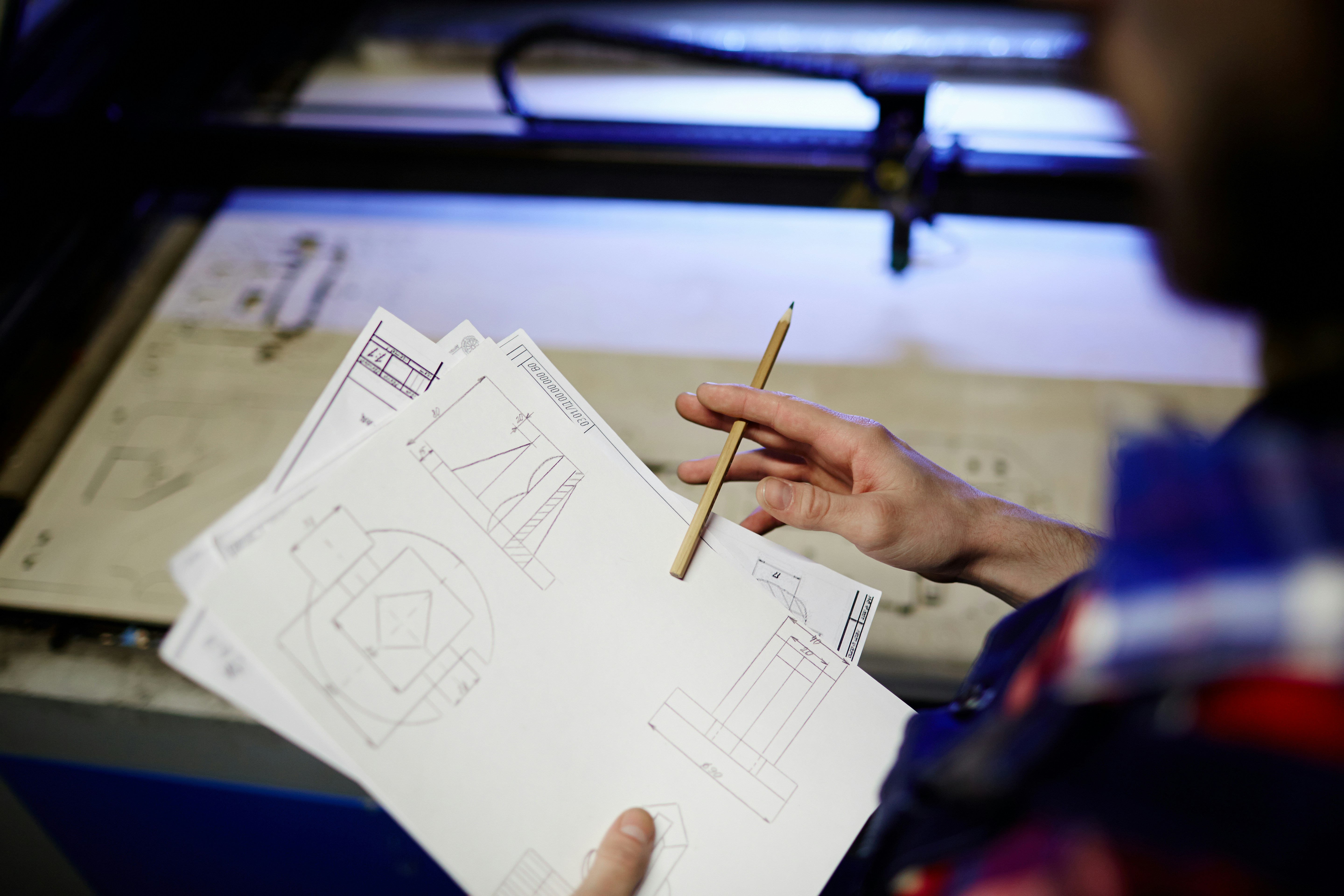
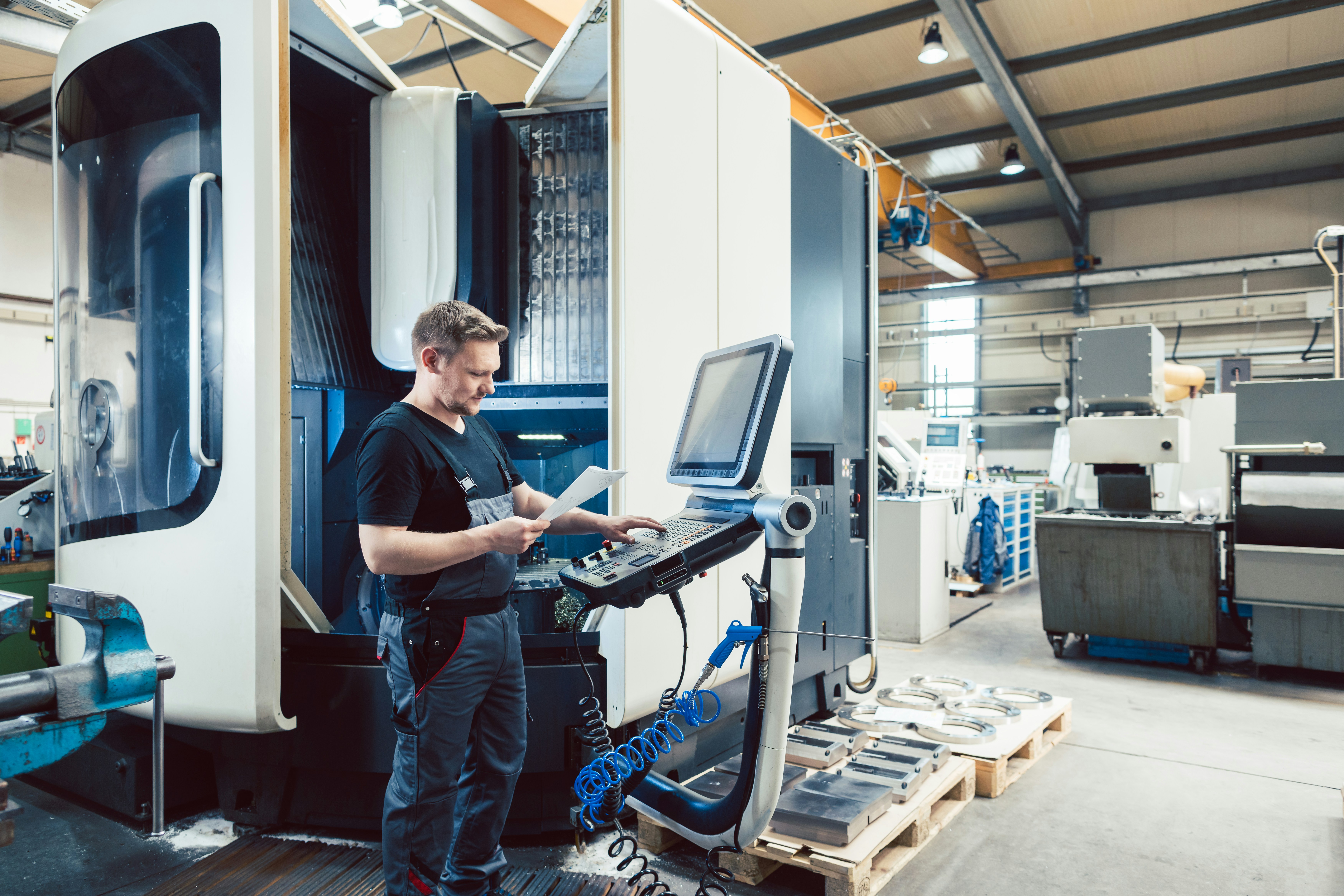
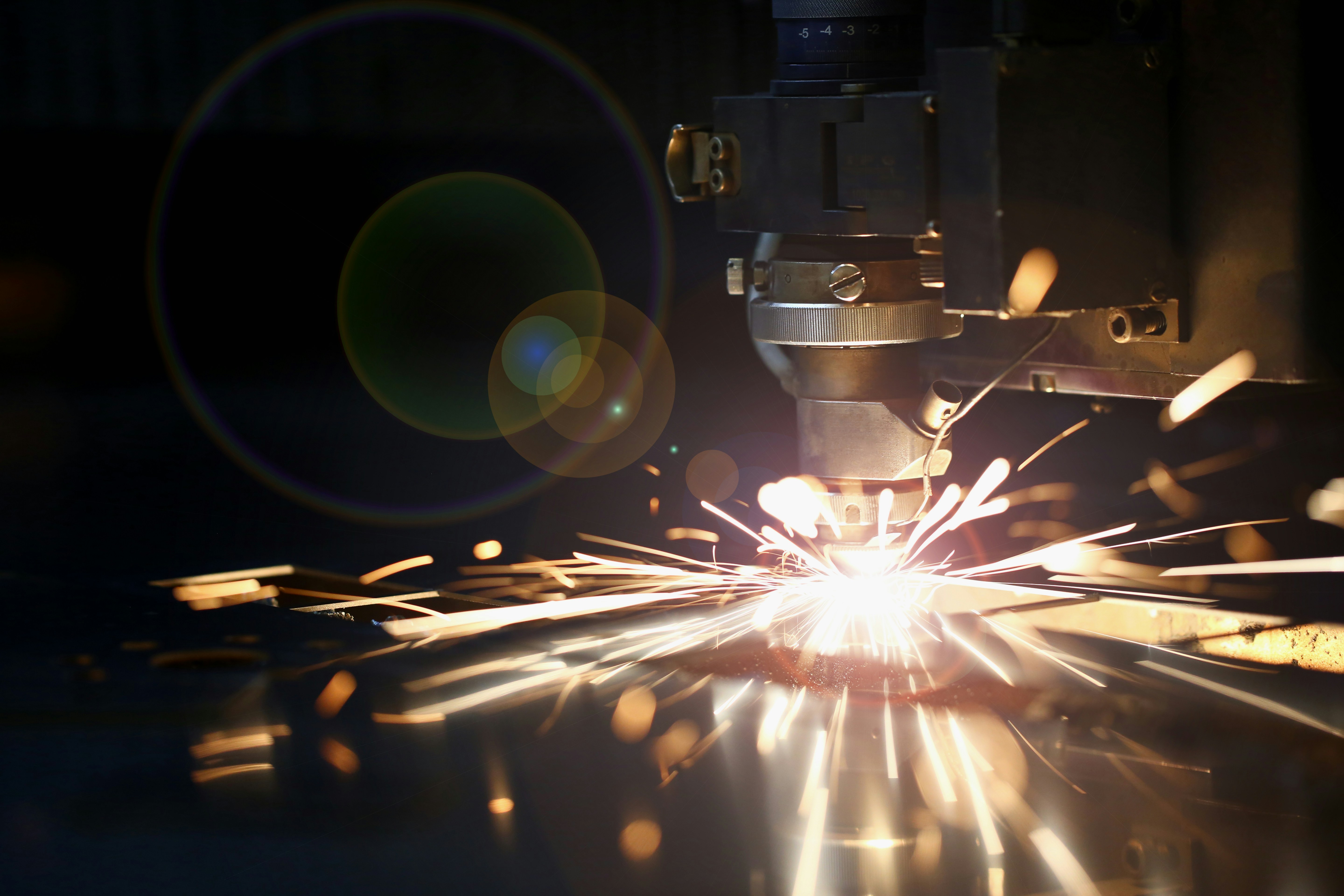
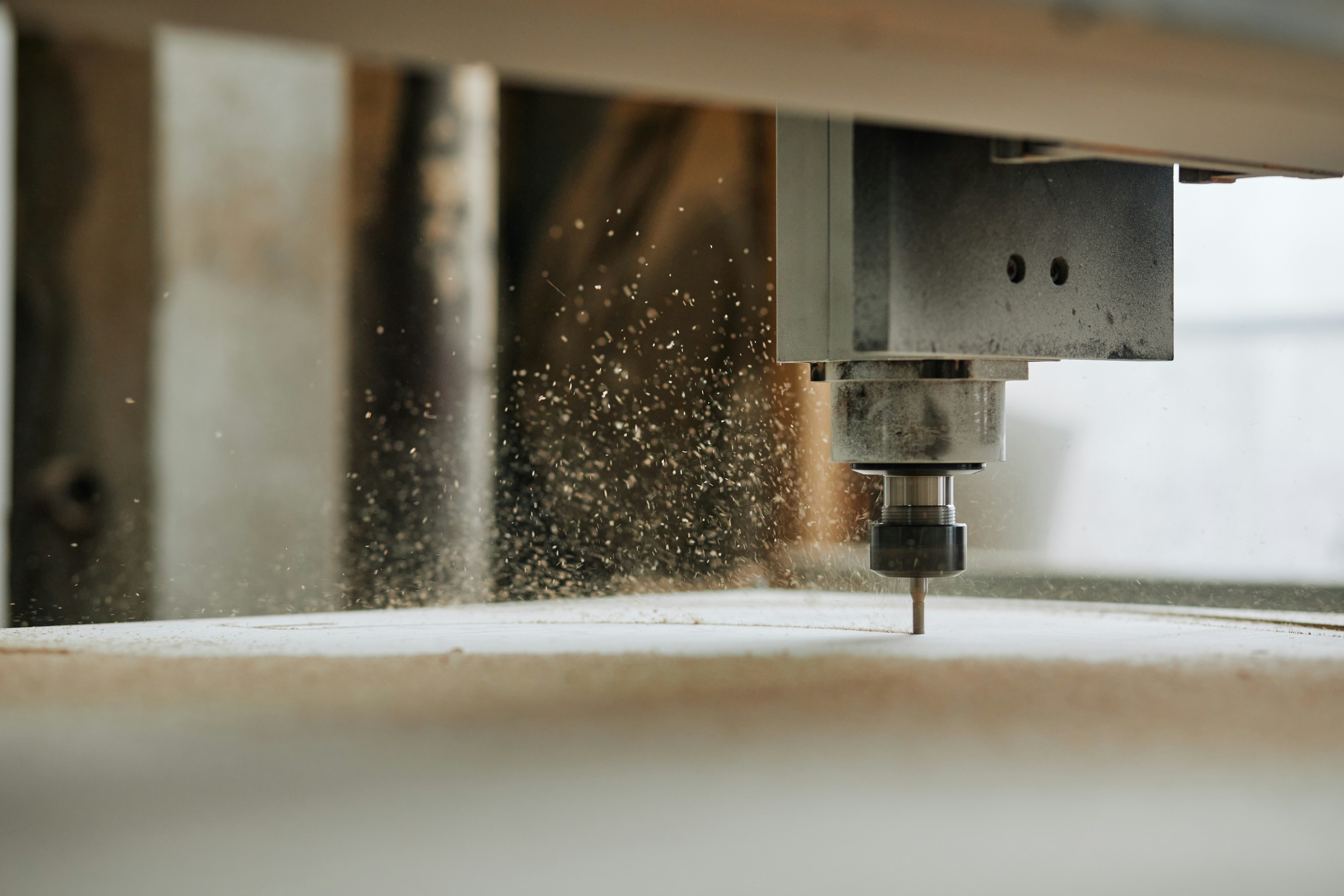
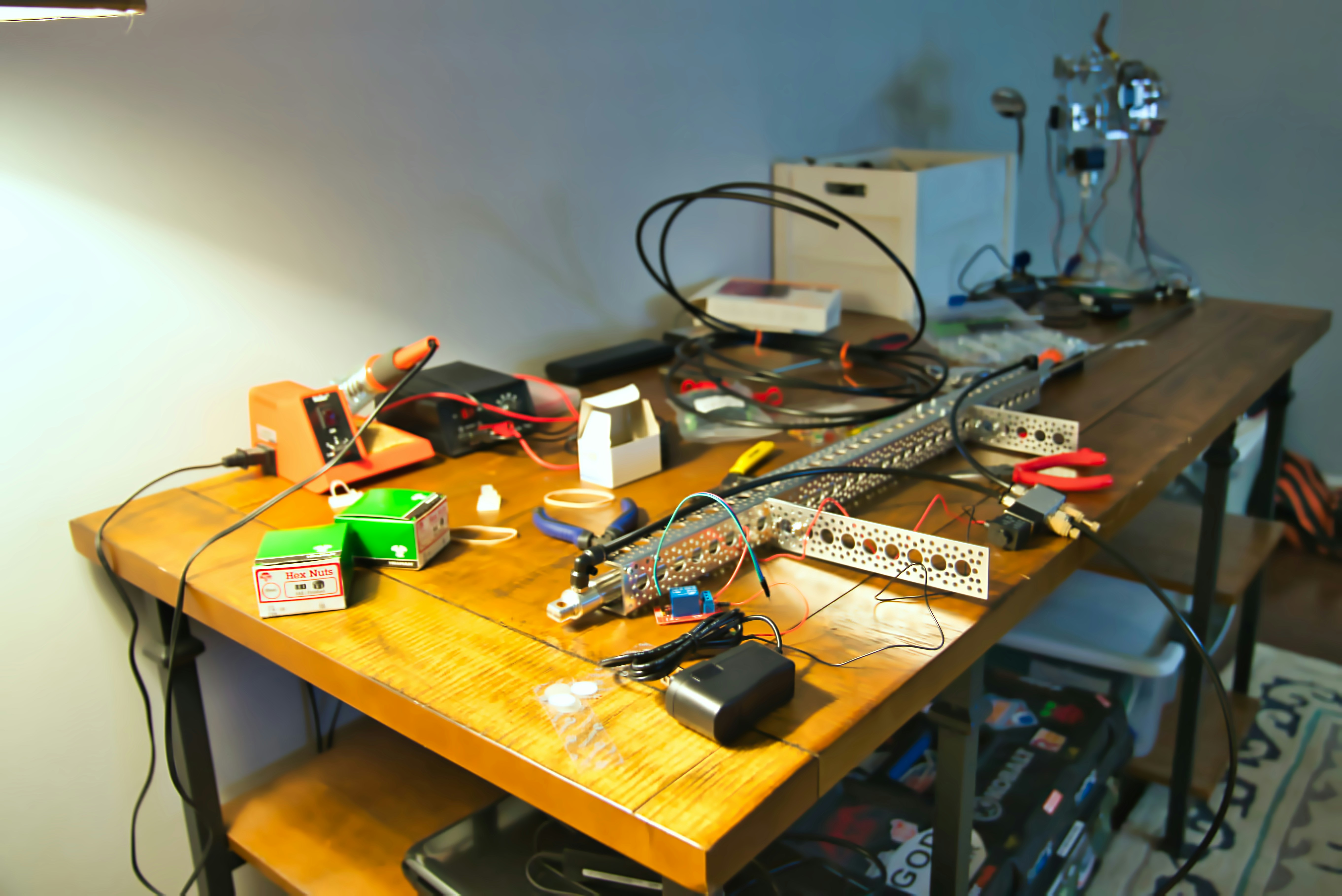
Functional prototypes are ugly on purpose. They're built from off-the-shelf components, 3D-printed housings, maybe some CNC-machined metal parts if you're getting fancy. For plastic and metal products especially, this approach lets you test the guts of your design without committing to expensive tooling. That coffee maker prototype might look like it belongs in a mad scientist's lab, but if it can brew at the right temperature and maintain consistent pressure, you've validated the core technology. The industrial design can come later.
The financial logic is brutal here. An appearance prototype for a consumer electronics device typically runs $3,000 to $8,000 depending on complexity. You're paying for surface finish, exact material specs, professional assembly. A functional prototype might cost $800 to $2,500, because you're buying function, not beauty. When you're pre-revenue and pitching investors or trying to land your first B2B client, that difference matters.
I've watched this play out with small appliance manufacturers and industrial equipment startups. The ones who succeed early are the ones showing functional prototypes to potential clients and saying "This proves the mechanism works—here's the data on cycle times and failure rates. Once we validate market fit with your feedback, we'll invest in the appearance prototype." That's a conversation about partnership and iteration. Walking in with just an appearance prototype says "I've already decided what this should look like; please give me money to build it." One approach invites collaboration, the other invites skepticism.
There's obviously a stage where appearance prototypes become critical. Once you've validated your functional design, secured initial interest from B2B buyers or retail partners, and you're ready to pitch later-stage investors or approach major retailers, that's when the appearance prototype earns its cost. You need something that communicates brand, fits the target price point's perceived value, and shows you understand manufacturing constraints for plastic housings, metal components, and assembly processes.
The real skill is knowing which prototype to build when. If you're still figuring out whether your kitchen gadget's motor has enough torque, or if your industrial tool's metal components can handle repeated stress cycles, you need functional validation. Save the pretty version for when you've got data proving the thing actually works. Your investors and B2B clients will respect you more for it, and your bank account will thank you.
After reading this article, if you’re evaluating a hardware product idea, prototype direction, DFM risk, or path to production, you can book a free 15-minute intro call. We’ll help you quickly identify what needs to be validated first, which risks should be addressed early, and what the next practical step should be.
" height="21.943622918266314px" id="HqU1V_VXu" width="76.57577685890533px"/><path d="M 20.228 10.24 L 10.114 10.24 L 10.114 8.777 L 20.228 8.777 Z M 21.672 20.48 L 15.171 20.48 L 15.171 19.018 L 21.672 19.018 Z M 0 19.018 L 0 0 L 1.445 0 L 1.445 19.018 Z M 20.228 19.018 L 20.228 0 L 21.672 0 L 21.672 19.018 Z" fill="rgb(255, 255, 255)" height="20.480488152641314px" id="bfuCuMlPp" transform="translate(27.507 1.519)" width="21.672358558014366px"/><path d="M 42.622 19.018 L 42.622 0 L 44.067 0 L 44.067 19.018 Z M 54.903 8.777 L 54.903 0 L 56.348 0 L 56.348 8.777 Z M 75.131 8.777 L 75.131 0 L 76.575 0 L 76.575 8.777 Z M 70.796 19.018 L 70.796 10.241 L 72.241 10.241 L 72.241 19.018 Z M 59.238 19.018 L 59.238 10.241 L 60.683 10.241 L 60.683 19.018 Z M 1.445 0 L 1.445 20.481 L 0 20.481 L 0 0 Z M 11.559 20.481 L 1.445 20.481 L 1.445 19.018 L 11.559 19.018 Z M 21.672 10.24 L 10.114 10.24 L 10.114 8.777 L 21.672 8.777 Z" fill="rgb(255, 255, 255)" height="20.480826258659363px" id="TduQKyNcg" transform="translate(0 1.519)" width="76.57543472988937px"/><path d="M 10.114 9.07 L 10.114 0 L 11.559 0 L 11.559 9.07 Z M 0 19.311 L 0 10.533 L 1.445 10.533 L 1.445 19.311 Z M 10.114 20.774 L 10.114 13.459 L 11.559 13.459 L 11.559 20.774 Z M 4.334 20.774 L 4.334 13.458 L 5.779 13.458 L 5.779 20.774 Z M 5.78 13.459 L 10.114 13.459 L 10.114 14.922 L 5.78 14.922 Z M 5.78 19.311 L 10.114 19.311 L 10.114 20.774 L 5.78 20.774 Z M 79.032 2.487 L 92.035 2.487 L 92.035 3.95 L 79.032 3.95 Z M 96.37 2.487 L 109.373 2.487 L 109.373 3.95 L 96.37 3.95 Z M 113.708 2.487 L 126.711 2.487 L 126.711 3.95 L 113.708 3.95 Z M 135.38 2.487 L 148.384 2.487 L 148.384 3.95 L 135.38 3.95 Z M 86.256 8.339 L 92.035 8.339 L 92.035 9.802 L 86.256 9.802 Z M 97.815 8.339 L 110.818 8.339 L 110.818 9.802 L 97.815 9.802 Z M 80.477 15.653 L 93.48 15.653 L 93.48 17.116 L 80.477 17.116 Z M 97.815 15.653 L 110.818 15.653 L 110.818 17.116 L 97.815 17.116 Z M 79.032 15.653 L 79.032 3.95 L 80.477 3.95 L 80.477 15.653 Z M 96.37 15.653 L 96.37 3.95 L 97.815 3.95 L 97.815 15.653 Z M 113.708 17.116 L 113.708 3.95 L 115.153 3.95 L 115.153 17.116 Z M 135.38 15.653 L 135.38 3.95 L 136.825 3.95 L 136.825 15.653 Z M 152.718 15.653 L 152.718 2.487 L 154.163 2.487 L 154.163 15.653 Z M 170.056 15.653 L 170.056 2.487 L 171.5 2.487 L 171.5 15.653 Z M 187.394 15.653 L 187.394 2.487 L 188.839 2.487 L 188.839 15.653 Z" fill="rgb(255, 255, 255)" height="20.773521135658505px" id="jAG3tW2Le" transform="translate(10.169 1.182)" width="188.83858780606124px"/><path d="M 62.127 5.852 L 75.131 5.852 L 75.131 7.315 L 62.127 7.315 Z M 79.465 5.852 L 92.469 5.852 L 92.469 7.315 L 79.465 7.315 Z M 96.803 5.852 L 108.362 5.852 L 108.362 7.315 L 96.803 7.315 Z M 79.465 0 L 91.024 0 L 91.024 1.463 L 79.465 1.463 Z M 92.469 1.463 L 92.469 5.852 L 91.024 5.852 L 91.024 1.463 Z M 109.807 7.315 L 109.807 14.629 L 108.362 14.629 L 108.362 7.315 Z M 62.127 13.166 L 75.131 13.166 L 75.131 14.629 L 62.127 14.629 Z M 79.465 13.166 L 92.469 13.166 L 92.469 14.629 L 79.465 14.629 Z M 34.675 14.629 L 34.675 1.463 L 36.12 1.463 L 36.12 14.629 Z M 56.348 13.166 L 56.348 1.463 L 57.793 1.463 L 57.793 13.166 Z M 44.789 13.166 L 57.793 13.166 L 57.793 14.629 L 44.789 14.629 Z M 39.01 14.629 L 39.01 2.926 L 40.455 2.926 L 40.455 14.629 Z M 39.01 1.463 L 39.01 0 L 40.455 0 L 40.455 1.463 Z M 0 13.166 L 0 5.852 L 1.445 5.852 L 1.445 13.166 Z M 17.338 5.852 L 17.338 1.463 L 18.782 1.463 L 18.782 5.852 Z M 106.917 0 L 108.361 0 L 108.361 1.463 L 106.917 1.463 Z M 105.472 1.463 L 106.917 1.463 L 106.917 2.926 L 105.472 2.926 Z M 104.027 2.926 L 105.472 2.926 L 105.472 4.389 L 104.027 4.389 Z M 102.583 4.389 L 104.027 4.389 L 104.027 5.852 L 102.583 5.852 Z" fill="rgb(255, 255, 255)" height="14.62930651858536px" id="yTdOA_r0t" transform="translate(102.194 3.714)" width="109.80650620205734px"/></g></svg>)