Circuit Design for Consumer Products: Steps to Smart Hardware
Choosing the Right AI Stack for Your Startup
A practical guide to circuit design for consumer products, covering the right level of intelligence, fast prototyping, sound power management, and manufacturable design.
I spent five years at a product development firm in Los Angeles, and the pattern never changed. Entrepreneurs would walk in with napkin sketches of their "smart coffee maker" or "talking pet feeder," eyes full of ambition and wallets ready to go. What they didn't have? Any real understanding of circuit design. The good news is that designing electronics for consumer products isn't as mysterious as it seems once you understand the core workflow.
Whether you're developing Bluetooth speakers or temperature-regulating cup holders for cars, the fundamental logic stays consistent across projects. The critical first step isn't choosing components or finding manufacturers. It's determining exactly how "smart" your product needs to be, and that decision has massive implications for your budget, timeline, and market viability.
Define Your Product's Intelligence Level
Last year a client approached us wanting to create a smart trash can. In our first meeting, he rattled off seventeen features. The device would identify recyclables versus compost, monitor fill levels, sync data to a smartphone app, and more. Impressive vision, except his target retail price was seventy-nine dollars. We stripped the requirements down to three essential functions: infrared sensor for touchless opening, weight detection for fill monitoring, and low battery alerts. Why the drastic cut? Because cramming all those features would have required a circuit board costing forty-plus dollars alone, before factoring in sensors, housing, or assembly. At that price point, his margins would have disappeared entirely.
This prioritization process determines your entire circuit architecture. A product with simple on-off functionality might only need a basic microcontroller that costs two dollars. Add Bluetooth connectivity and you're looking at eight to twelve dollars just for the main chip. Throw in WiFi capability and suddenly you need supporting components for antenna matching, power management, and thermal dissipation. Each feature cascades into additional circuit complexity.
Prototype Smart, Not Perfect
Here's where most hardware startups burn through cash unnecessarily. They want the first prototype to include every planned feature, perfectly miniaturized. That's backwards. Your initial circuit design should focus on proving the core concept works, even if it means using off-the-shelf development boards that look nothing like the final product.
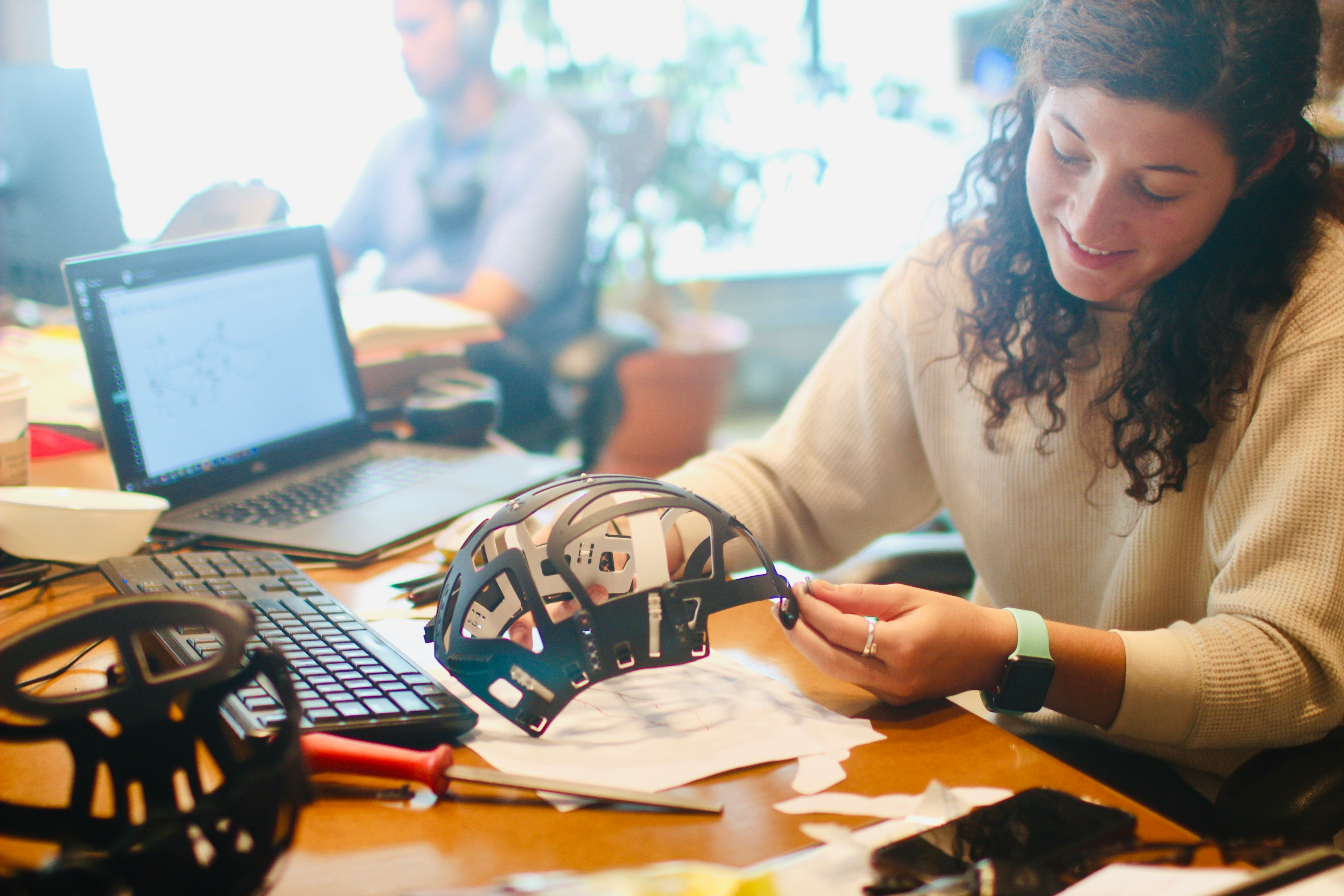
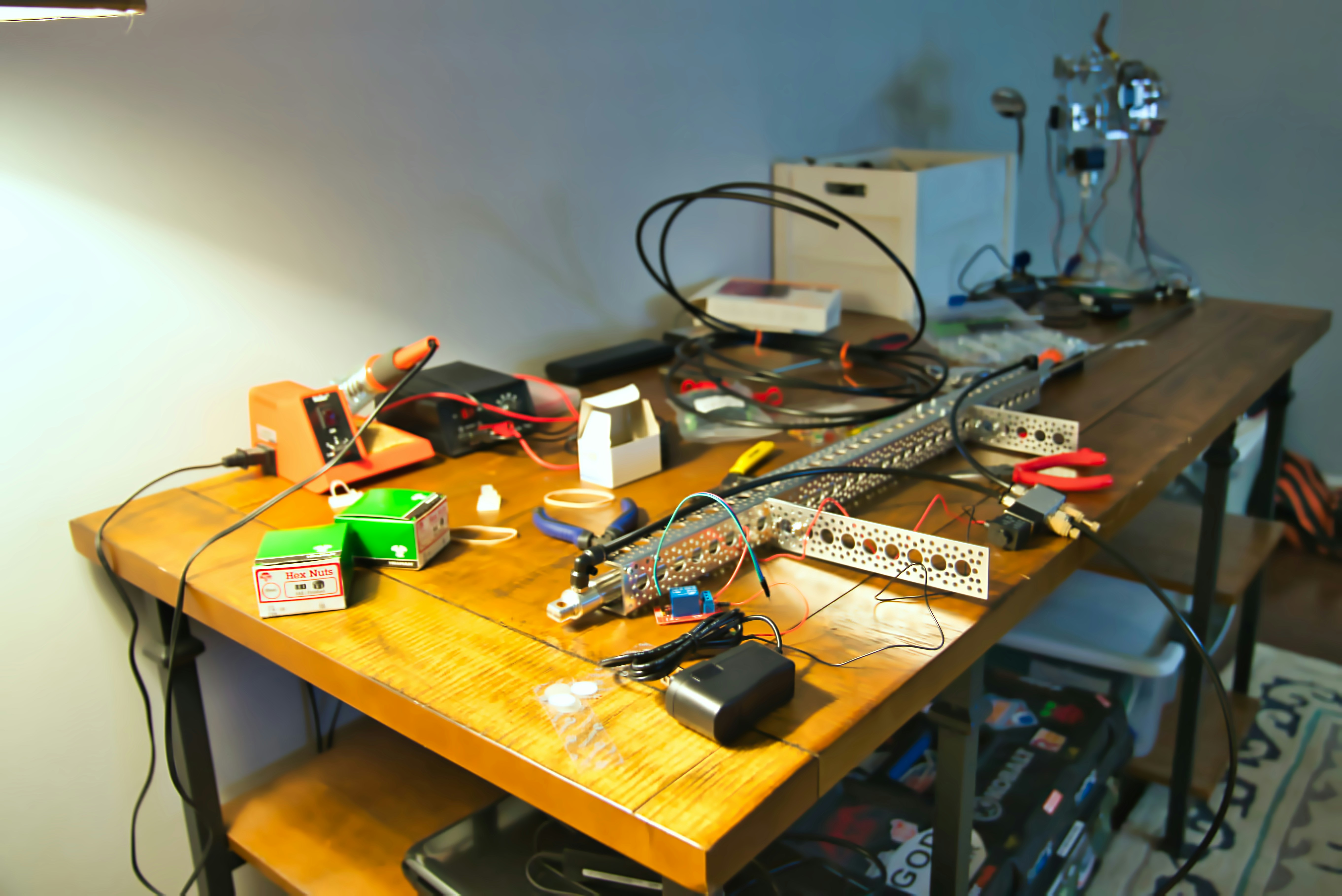
For a recent kitchen appliance project, we spent the first month with an Arduino-based prototype that was literally held together with electrical tape. It looked terrible but let us validate the heating control algorithm and user interface flow without investing in custom PCB design. Only after we confirmed the logic worked did we move to schematic capture and board layout.
This staged approach saves substantial money because changes are inevitable. When you discover that your temperature sensor needs repositioning or your motor draws more current than expected, making those modifications on a custom board requires expensive redesigns and new manufacturing runs. Development boards let you swap components in hours rather than weeks.
Power Budget Determines Everything
Nothing kills a consumer product faster than battery life complaints on Amazon reviews. I've seen beautifully designed products get destroyed by one-star reviews because they needed charging every two days instead of weekly. Your circuit design must account for power consumption from day one, not as an afterthought.
Calculate the current draw of every component in active and sleep modes. That Bluetooth module might consume only ten milliamps when idle, but spike to forty milliamps during transmission. If your product transmits data every ten minutes, those spikes add up. For battery-powered devices, you'll likely need voltage regulators, power switching circuits, and sophisticated sleep mode management just to achieve acceptable runtime.
The smart thermostat we developed last year taught us this lesson expensively. Our initial circuit worked perfectly but drained batteries in three weeks. We ended up redesigning the power management section twice, adding wake-up timers and shutting down entire circuit sections when not needed. The final version lasted eight months on standard batteries, but those revisions added six weeks to our development timeline.
Manufacturing Reality Check
Your circuit might work flawlessly in your workshop but fail completely in mass production. Components you can hand-solder might be impossible for automated assembly lines. That specialized sensor chip with perfect specifications might have sixteen-week lead times, grinding your production schedule to a halt. Design for manufacturing from the beginning by choosing components with multiple suppliers, standard package sizes, and proven availability. The slightly less optimal part that's always in stock beats the perfect component you can't actually buy.
After reading this article, if you’re evaluating a hardware product idea, prototype direction, DFM risk, or path to production, you can book a free 15-minute intro call. We’ll help you quickly identify what needs to be validated first, which risks should be addressed early, and what the next practical step should be.
" height="21.943622918266314px" id="HqU1V_VXu" width="76.57577685890533px"/><path d="M 20.228 10.24 L 10.114 10.24 L 10.114 8.777 L 20.228 8.777 Z M 21.672 20.48 L 15.171 20.48 L 15.171 19.018 L 21.672 19.018 Z M 0 19.018 L 0 0 L 1.445 0 L 1.445 19.018 Z M 20.228 19.018 L 20.228 0 L 21.672 0 L 21.672 19.018 Z" fill="rgb(255, 255, 255)" height="20.480488152641314px" id="bfuCuMlPp" transform="translate(27.507 1.519)" width="21.672358558014366px"/><path d="M 42.622 19.018 L 42.622 0 L 44.067 0 L 44.067 19.018 Z M 54.903 8.777 L 54.903 0 L 56.348 0 L 56.348 8.777 Z M 75.131 8.777 L 75.131 0 L 76.575 0 L 76.575 8.777 Z M 70.796 19.018 L 70.796 10.241 L 72.241 10.241 L 72.241 19.018 Z M 59.238 19.018 L 59.238 10.241 L 60.683 10.241 L 60.683 19.018 Z M 1.445 0 L 1.445 20.481 L 0 20.481 L 0 0 Z M 11.559 20.481 L 1.445 20.481 L 1.445 19.018 L 11.559 19.018 Z M 21.672 10.24 L 10.114 10.24 L 10.114 8.777 L 21.672 8.777 Z" fill="rgb(255, 255, 255)" height="20.480826258659363px" id="TduQKyNcg" transform="translate(0 1.519)" width="76.57543472988937px"/><path d="M 10.114 9.07 L 10.114 0 L 11.559 0 L 11.559 9.07 Z M 0 19.311 L 0 10.533 L 1.445 10.533 L 1.445 19.311 Z M 10.114 20.774 L 10.114 13.459 L 11.559 13.459 L 11.559 20.774 Z M 4.334 20.774 L 4.334 13.458 L 5.779 13.458 L 5.779 20.774 Z M 5.78 13.459 L 10.114 13.459 L 10.114 14.922 L 5.78 14.922 Z M 5.78 19.311 L 10.114 19.311 L 10.114 20.774 L 5.78 20.774 Z M 79.032 2.487 L 92.035 2.487 L 92.035 3.95 L 79.032 3.95 Z M 96.37 2.487 L 109.373 2.487 L 109.373 3.95 L 96.37 3.95 Z M 113.708 2.487 L 126.711 2.487 L 126.711 3.95 L 113.708 3.95 Z M 135.38 2.487 L 148.384 2.487 L 148.384 3.95 L 135.38 3.95 Z M 86.256 8.339 L 92.035 8.339 L 92.035 9.802 L 86.256 9.802 Z M 97.815 8.339 L 110.818 8.339 L 110.818 9.802 L 97.815 9.802 Z M 80.477 15.653 L 93.48 15.653 L 93.48 17.116 L 80.477 17.116 Z M 97.815 15.653 L 110.818 15.653 L 110.818 17.116 L 97.815 17.116 Z M 79.032 15.653 L 79.032 3.95 L 80.477 3.95 L 80.477 15.653 Z M 96.37 15.653 L 96.37 3.95 L 97.815 3.95 L 97.815 15.653 Z M 113.708 17.116 L 113.708 3.95 L 115.153 3.95 L 115.153 17.116 Z M 135.38 15.653 L 135.38 3.95 L 136.825 3.95 L 136.825 15.653 Z M 152.718 15.653 L 152.718 2.487 L 154.163 2.487 L 154.163 15.653 Z M 170.056 15.653 L 170.056 2.487 L 171.5 2.487 L 171.5 15.653 Z M 187.394 15.653 L 187.394 2.487 L 188.839 2.487 L 188.839 15.653 Z" fill="rgb(255, 255, 255)" height="20.773521135658505px" id="jAG3tW2Le" transform="translate(10.169 1.182)" width="188.83858780606124px"/><path d="M 62.127 5.852 L 75.131 5.852 L 75.131 7.315 L 62.127 7.315 Z M 79.465 5.852 L 92.469 5.852 L 92.469 7.315 L 79.465 7.315 Z M 96.803 5.852 L 108.362 5.852 L 108.362 7.315 L 96.803 7.315 Z M 79.465 0 L 91.024 0 L 91.024 1.463 L 79.465 1.463 Z M 92.469 1.463 L 92.469 5.852 L 91.024 5.852 L 91.024 1.463 Z M 109.807 7.315 L 109.807 14.629 L 108.362 14.629 L 108.362 7.315 Z M 62.127 13.166 L 75.131 13.166 L 75.131 14.629 L 62.127 14.629 Z M 79.465 13.166 L 92.469 13.166 L 92.469 14.629 L 79.465 14.629 Z M 34.675 14.629 L 34.675 1.463 L 36.12 1.463 L 36.12 14.629 Z M 56.348 13.166 L 56.348 1.463 L 57.793 1.463 L 57.793 13.166 Z M 44.789 13.166 L 57.793 13.166 L 57.793 14.629 L 44.789 14.629 Z M 39.01 14.629 L 39.01 2.926 L 40.455 2.926 L 40.455 14.629 Z M 39.01 1.463 L 39.01 0 L 40.455 0 L 40.455 1.463 Z M 0 13.166 L 0 5.852 L 1.445 5.852 L 1.445 13.166 Z M 17.338 5.852 L 17.338 1.463 L 18.782 1.463 L 18.782 5.852 Z M 106.917 0 L 108.361 0 L 108.361 1.463 L 106.917 1.463 Z M 105.472 1.463 L 106.917 1.463 L 106.917 2.926 L 105.472 2.926 Z M 104.027 2.926 L 105.472 2.926 L 105.472 4.389 L 104.027 4.389 Z M 102.583 4.389 L 104.027 4.389 L 104.027 5.852 L 102.583 5.852 Z" fill="rgb(255, 255, 255)" height="14.62930651858536px" id="yTdOA_r0t" transform="translate(102.194 3.714)" width="109.80650620205734px"/></g></svg>)