User Experience Design: A Step-by-Step Guide for Hardware Products
Choosing the Right AI Stack for Your Startup
A step-by-step guide to user experience design for hardware products, focused on designing for real users and real use cases and validating decisions before production.
I once heard about a kitchen appliance manufacturer who flew to meet a major US retailer with their sleek new coffee grinder. Beautiful finish, competitive price point, powerful motor. The buyer tested it for ten minutes and passed. Why? The bean hopper required pressing three separate latches to open—impossible for the one-handed operation Americans expect while holding their morning coffee cup. No deal.
That's the cost of skipping user experience design. Unlike software where you can push updates overnight, hardware products are permanent once the tooling is cut. A single mold run might produce fifty thousand units. Getting the experience right before you commit to manufacturing saves exponentially more than fixing problems after production.
Start by understanding who uses your product and where. Don't jump straight to CAD drawings. You need to know whether your product ends up on a suburban kitchen counter, a contractor's truck bed, or a corporate break room. An electric screwdriver heading to Home Depot serves a completely different user than one destined for Target. The first might be weekend warriors with large hands and decent grip strength. The second could be apartment renters assembling flat-pack furniture, potentially older users or people with arthritis who need lighter triggers and better balance.
Map out the complete usage journey, not just the hero moment. Everyone designs for the main function—the grinding, the drilling, the blending. But user experience design means thinking about everything before and after. How does someone get your product out of the package without scissors? Where do they store it when not in use? Can they clean it without disassembling twelve components? I've seen beautifully engineered juicers that required twenty minutes of scrubbing tiny mesh screens—they ended up in garage sales within months.
Test with actual hands, not just your engineering team. Your product developers have been staring at prototypes for months. They know exactly where the hidden power button sits and which direction twists the cap off. Real users don't. Bring in people who match your target market. If you're developing a product for the US market, find Americans. Cultural habits matter enormously. Europeans often expect two-handed operation and don't mind complexity. Americans want one-button simplicity. Watch where they naturally grab, what they try first, where they look for controls.
Consider the physical context obsessively. Is someone using this while standing at a counter or sitting at a desk? In good lighting or dim? With wet hands or wearing gloves? A kitchen gadget used during meal prep competes for counter space with cutting boards and ingredient bowls—it needs a small footprint. A garage tool might be operated while wearing work gloves, so tiny buttons won't work. Think about whether your user is rushed (morning coffee routine) or relaxed (weekend project). Rushed contexts demand intuitive, foolproof interfaces.
Design for the dumbest possible moment. People use products while distracted, tired, or doing three other things. Your interface needs to work when someone's toddler is screaming, when they just worked a twelve-hour shift, when they're video calling and cooking simultaneously. This is why good user experience design favors obvious over clever. A dial that only turns one direction. A lid that only fits one way. Visual indicators that work even in poor lighting.
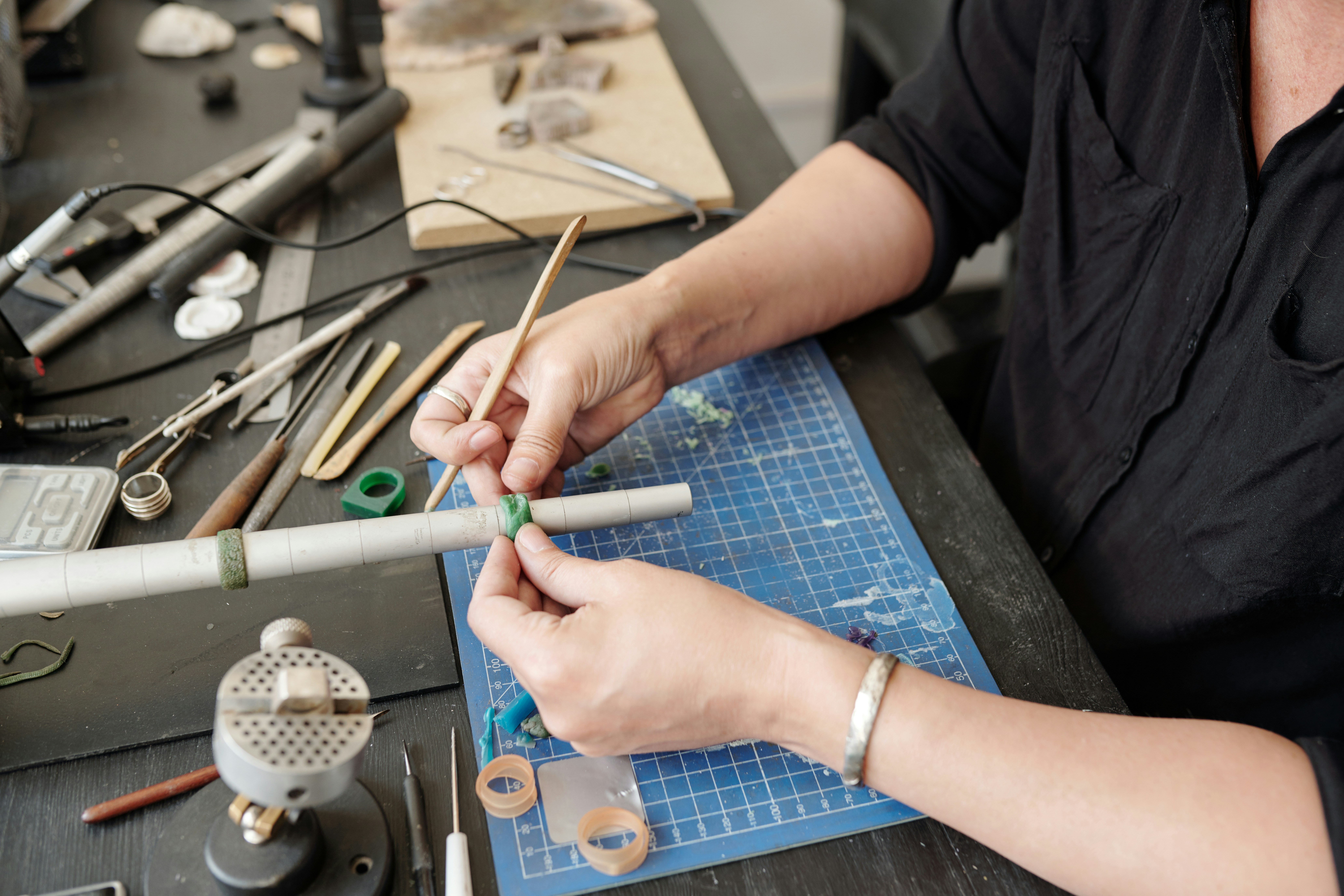
Prototype the interaction, not just the form. 3D renders look gorgeous in presentations but tell you nothing about user experience. Print rough models on a desktop 3D printer or carve them from foam. You need physical objects people can hold and manipulate. Does the weight feel right? Does it tip over easily? Can someone operate it with their non-dominant hand? I've watched products fail because the center of gravity shifted unexpectedly when filled—something no computer simulation caught.
Pay special attention to the first sixty seconds. That's your window to either delight users or frustrate them. If someone can't figure out basic operation within a minute without reading instructions, you've failed. Think about how many Americans actually read manuals—almost none. They expect products to be self-evident. This doesn't mean dumbing things down; it means designing interfaces that communicate their own logic. A button that looks pressable. A dial with clear start and end points. Indicators that obviously mean "full" or "empty."
Reduce the steps between intention and action. Every additional button press, every extra component to remove, every unnecessary safety lock adds friction. Sometimes complexity is legally required—power tools need certain safety features. But often it creeps in through over-engineering or trying to please too many stakeholders. For B2B products heading into commercial kitchens or facilities, time is money. A coffee machine that requires four steps to clean versus one step can mean the difference between staff actually maintaining it or letting it deteriorate.
Test durability in realistic conditions, not just lab specs. Drop tests on concrete are useful, but also consider what happens when someone stores your product under a sink for six months, or leaves it in a hot car, or runs it every single day for a year. For products targeting the US commercial market, assume heavy use and minimal maintenance. Restaurant equipment gets abused. Office appliances get treated carelessly. Design user experience with degradation in mind—does it still work acceptably when parts are worn?
Document the failure points and design around them. Every product has weaknesses. Maybe the motor overheats with extended use. Maybe the plastic cracks in freezing temperatures. Good user experience design acknowledges these limits and prevents users from encountering them accidentally. Automatic shutoffs. Clear maximum fill lines. Indicators that prevent misuse. This is especially critical for B2B clients who face liability concerns.
Build in signals that build confidence. Users need to know the product is working, that they've assembled it correctly, that it's safe to proceed. LED indicators help. Satisfying clicks and resistance at the right moments help. Even sounds matter—a quality motor hum sounds different from a cheap one. These details seem minor but they accumulate into an overall impression of whether this is a professional-grade product or disposable junk.
Consider serviceability as part of the user experience. When something breaks, can users fix it themselves or do they need to ship it back? For commercial clients especially, downtime costs money. If you're targeting coffee shops or quick-service restaurants, repairability matters enormously. Can someone swap out a worn gasket without tools? Are replacement parts available through normal distributors? This affects whether your product gets used for five years or discarded after one.
The best user experience design becomes invisible. When done right, people don't notice the thought behind each decision—they just feel that the product works naturally. The lid opens easily because you engineered the right level of resistance. The handle sits perfectly in their grip because you tested it with fifty different hand sizes. The controls fall exactly where their thumb expects. None of this happens by accident. It requires methodical attention to how humans actually interact with physical objects, not how you wish they would.
After reading this article, if you’re evaluating a hardware product idea, prototype direction, DFM risk, or path to production, you can book a free 15-minute intro call. We’ll help you quickly identify what needs to be validated first, which risks should be addressed early, and what the next practical step should be.
" height="21.943622918266314px" id="HqU1V_VXu" width="76.57577685890533px"/><path d="M 20.228 10.24 L 10.114 10.24 L 10.114 8.777 L 20.228 8.777 Z M 21.672 20.48 L 15.171 20.48 L 15.171 19.018 L 21.672 19.018 Z M 0 19.018 L 0 0 L 1.445 0 L 1.445 19.018 Z M 20.228 19.018 L 20.228 0 L 21.672 0 L 21.672 19.018 Z" fill="rgb(255, 255, 255)" height="20.480488152641314px" id="bfuCuMlPp" transform="translate(27.507 1.519)" width="21.672358558014366px"/><path d="M 42.622 19.018 L 42.622 0 L 44.067 0 L 44.067 19.018 Z M 54.903 8.777 L 54.903 0 L 56.348 0 L 56.348 8.777 Z M 75.131 8.777 L 75.131 0 L 76.575 0 L 76.575 8.777 Z M 70.796 19.018 L 70.796 10.241 L 72.241 10.241 L 72.241 19.018 Z M 59.238 19.018 L 59.238 10.241 L 60.683 10.241 L 60.683 19.018 Z M 1.445 0 L 1.445 20.481 L 0 20.481 L 0 0 Z M 11.559 20.481 L 1.445 20.481 L 1.445 19.018 L 11.559 19.018 Z M 21.672 10.24 L 10.114 10.24 L 10.114 8.777 L 21.672 8.777 Z" fill="rgb(255, 255, 255)" height="20.480826258659363px" id="TduQKyNcg" transform="translate(0 1.519)" width="76.57543472988937px"/><path d="M 10.114 9.07 L 10.114 0 L 11.559 0 L 11.559 9.07 Z M 0 19.311 L 0 10.533 L 1.445 10.533 L 1.445 19.311 Z M 10.114 20.774 L 10.114 13.459 L 11.559 13.459 L 11.559 20.774 Z M 4.334 20.774 L 4.334 13.458 L 5.779 13.458 L 5.779 20.774 Z M 5.78 13.459 L 10.114 13.459 L 10.114 14.922 L 5.78 14.922 Z M 5.78 19.311 L 10.114 19.311 L 10.114 20.774 L 5.78 20.774 Z M 79.032 2.487 L 92.035 2.487 L 92.035 3.95 L 79.032 3.95 Z M 96.37 2.487 L 109.373 2.487 L 109.373 3.95 L 96.37 3.95 Z M 113.708 2.487 L 126.711 2.487 L 126.711 3.95 L 113.708 3.95 Z M 135.38 2.487 L 148.384 2.487 L 148.384 3.95 L 135.38 3.95 Z M 86.256 8.339 L 92.035 8.339 L 92.035 9.802 L 86.256 9.802 Z M 97.815 8.339 L 110.818 8.339 L 110.818 9.802 L 97.815 9.802 Z M 80.477 15.653 L 93.48 15.653 L 93.48 17.116 L 80.477 17.116 Z M 97.815 15.653 L 110.818 15.653 L 110.818 17.116 L 97.815 17.116 Z M 79.032 15.653 L 79.032 3.95 L 80.477 3.95 L 80.477 15.653 Z M 96.37 15.653 L 96.37 3.95 L 97.815 3.95 L 97.815 15.653 Z M 113.708 17.116 L 113.708 3.95 L 115.153 3.95 L 115.153 17.116 Z M 135.38 15.653 L 135.38 3.95 L 136.825 3.95 L 136.825 15.653 Z M 152.718 15.653 L 152.718 2.487 L 154.163 2.487 L 154.163 15.653 Z M 170.056 15.653 L 170.056 2.487 L 171.5 2.487 L 171.5 15.653 Z M 187.394 15.653 L 187.394 2.487 L 188.839 2.487 L 188.839 15.653 Z" fill="rgb(255, 255, 255)" height="20.773521135658505px" id="jAG3tW2Le" transform="translate(10.169 1.182)" width="188.83858780606124px"/><path d="M 62.127 5.852 L 75.131 5.852 L 75.131 7.315 L 62.127 7.315 Z M 79.465 5.852 L 92.469 5.852 L 92.469 7.315 L 79.465 7.315 Z M 96.803 5.852 L 108.362 5.852 L 108.362 7.315 L 96.803 7.315 Z M 79.465 0 L 91.024 0 L 91.024 1.463 L 79.465 1.463 Z M 92.469 1.463 L 92.469 5.852 L 91.024 5.852 L 91.024 1.463 Z M 109.807 7.315 L 109.807 14.629 L 108.362 14.629 L 108.362 7.315 Z M 62.127 13.166 L 75.131 13.166 L 75.131 14.629 L 62.127 14.629 Z M 79.465 13.166 L 92.469 13.166 L 92.469 14.629 L 79.465 14.629 Z M 34.675 14.629 L 34.675 1.463 L 36.12 1.463 L 36.12 14.629 Z M 56.348 13.166 L 56.348 1.463 L 57.793 1.463 L 57.793 13.166 Z M 44.789 13.166 L 57.793 13.166 L 57.793 14.629 L 44.789 14.629 Z M 39.01 14.629 L 39.01 2.926 L 40.455 2.926 L 40.455 14.629 Z M 39.01 1.463 L 39.01 0 L 40.455 0 L 40.455 1.463 Z M 0 13.166 L 0 5.852 L 1.445 5.852 L 1.445 13.166 Z M 17.338 5.852 L 17.338 1.463 L 18.782 1.463 L 18.782 5.852 Z M 106.917 0 L 108.361 0 L 108.361 1.463 L 106.917 1.463 Z M 105.472 1.463 L 106.917 1.463 L 106.917 2.926 L 105.472 2.926 Z M 104.027 2.926 L 105.472 2.926 L 105.472 4.389 L 104.027 4.389 Z M 102.583 4.389 L 104.027 4.389 L 104.027 5.852 L 102.583 5.852 Z" fill="rgb(255, 255, 255)" height="14.62930651858536px" id="yTdOA_r0t" transform="translate(102.194 3.714)" width="109.80650620205734px"/></g></svg>)