" height="21.943622918266314px" id="HqU1V_VXu" width="76.57577685890533px"/><path d="M 20.228 10.24 L 10.114 10.24 L 10.114 8.777 L 20.228 8.777 Z M 21.672 20.48 L 15.171 20.48 L 15.171 19.018 L 21.672 19.018 Z M 0 19.018 L 0 0 L 1.445 0 L 1.445 19.018 Z M 20.228 19.018 L 20.228 0 L 21.672 0 L 21.672 19.018 Z" fill="rgb(255, 255, 255)" height="20.480488152641314px" id="bfuCuMlPp" transform="translate(27.507 1.519)" width="21.672358558014366px"/><path d="M 42.622 19.018 L 42.622 0 L 44.067 0 L 44.067 19.018 Z M 54.903 8.777 L 54.903 0 L 56.348 0 L 56.348 8.777 Z M 75.131 8.777 L 75.131 0 L 76.575 0 L 76.575 8.777 Z M 70.796 19.018 L 70.796 10.241 L 72.241 10.241 L 72.241 19.018 Z M 59.238 19.018 L 59.238 10.241 L 60.683 10.241 L 60.683 19.018 Z M 1.445 0 L 1.445 20.481 L 0 20.481 L 0 0 Z M 11.559 20.481 L 1.445 20.481 L 1.445 19.018 L 11.559 19.018 Z M 21.672 10.24 L 10.114 10.24 L 10.114 8.777 L 21.672 8.777 Z" fill="rgb(255, 255, 255)" height="20.480826258659363px" id="TduQKyNcg" transform="translate(0 1.519)" width="76.57543472988937px"/><path d="M 10.114 9.07 L 10.114 0 L 11.559 0 L 11.559 9.07 Z M 0 19.311 L 0 10.533 L 1.445 10.533 L 1.445 19.311 Z M 10.114 20.774 L 10.114 13.459 L 11.559 13.459 L 11.559 20.774 Z M 4.334 20.774 L 4.334 13.458 L 5.779 13.458 L 5.779 20.774 Z M 5.78 13.459 L 10.114 13.459 L 10.114 14.922 L 5.78 14.922 Z M 5.78 19.311 L 10.114 19.311 L 10.114 20.774 L 5.78 20.774 Z M 79.032 2.487 L 92.035 2.487 L 92.035 3.95 L 79.032 3.95 Z M 96.37 2.487 L 109.373 2.487 L 109.373 3.95 L 96.37 3.95 Z M 113.708 2.487 L 126.711 2.487 L 126.711 3.95 L 113.708 3.95 Z M 135.38 2.487 L 148.384 2.487 L 148.384 3.95 L 135.38 3.95 Z M 86.256 8.339 L 92.035 8.339 L 92.035 9.802 L 86.256 9.802 Z M 97.815 8.339 L 110.818 8.339 L 110.818 9.802 L 97.815 9.802 Z M 80.477 15.653 L 93.48 15.653 L 93.48 17.116 L 80.477 17.116 Z M 97.815 15.653 L 110.818 15.653 L 110.818 17.116 L 97.815 17.116 Z M 79.032 15.653 L 79.032 3.95 L 80.477 3.95 L 80.477 15.653 Z M 96.37 15.653 L 96.37 3.95 L 97.815 3.95 L 97.815 15.653 Z M 113.708 17.116 L 113.708 3.95 L 115.153 3.95 L 115.153 17.116 Z M 135.38 15.653 L 135.38 3.95 L 136.825 3.95 L 136.825 15.653 Z M 152.718 15.653 L 152.718 2.487 L 154.163 2.487 L 154.163 15.653 Z M 170.056 15.653 L 170.056 2.487 L 171.5 2.487 L 171.5 15.653 Z M 187.394 15.653 L 187.394 2.487 L 188.839 2.487 L 188.839 15.653 Z" fill="rgb(255, 255, 255)" height="20.773521135658505px" id="jAG3tW2Le" transform="translate(10.169 1.182)" width="188.83858780606124px"/><path d="M 62.127 5.852 L 75.131 5.852 L 75.131 7.315 L 62.127 7.315 Z M 79.465 5.852 L 92.469 5.852 L 92.469 7.315 L 79.465 7.315 Z M 96.803 5.852 L 108.362 5.852 L 108.362 7.315 L 96.803 7.315 Z M 79.465 0 L 91.024 0 L 91.024 1.463 L 79.465 1.463 Z M 92.469 1.463 L 92.469 5.852 L 91.024 5.852 L 91.024 1.463 Z M 109.807 7.315 L 109.807 14.629 L 108.362 14.629 L 108.362 7.315 Z M 62.127 13.166 L 75.131 13.166 L 75.131 14.629 L 62.127 14.629 Z M 79.465 13.166 L 92.469 13.166 L 92.469 14.629 L 79.465 14.629 Z M 34.675 14.629 L 34.675 1.463 L 36.12 1.463 L 36.12 14.629 Z M 56.348 13.166 L 56.348 1.463 L 57.793 1.463 L 57.793 13.166 Z M 44.789 13.166 L 57.793 13.166 L 57.793 14.629 L 44.789 14.629 Z M 39.01 14.629 L 39.01 2.926 L 40.455 2.926 L 40.455 14.629 Z M 39.01 1.463 L 39.01 0 L 40.455 0 L 40.455 1.463 Z M 0 13.166 L 0 5.852 L 1.445 5.852 L 1.445 13.166 Z M 17.338 5.852 L 17.338 1.463 L 18.782 1.463 L 18.782 5.852 Z M 106.917 0 L 108.361 0 L 108.361 1.463 L 106.917 1.463 Z M 105.472 1.463 L 106.917 1.463 L 106.917 2.926 L 105.472 2.926 Z M 104.027 2.926 L 105.472 2.926 L 105.472 4.389 L 104.027 4.389 Z M 102.583 4.389 L 104.027 4.389 L 104.027 5.852 L 102.583 5.852 Z" fill="rgb(255, 255, 255)" height="14.62930651858536px" id="yTdOA_r0t" transform="translate(102.194 3.714)" width="109.80650620205734px"/></g></svg>)
Most suppliers show you a Hollywood version of their factory during scheduled tours—here's how I learned to catch capacity fraud before placing six-figure orders.

Last year I helped a Seattle client source a plastic appliance manufacturer, and the video tour looked impeccable. Bright workshop, pristine injection molding machines, workers in matching uniforms like they were auditioning for a corporate training video. Then the first production batch arrived three weeks late. The second order? They claimed insufficient capacity and suggested splitting deliveries. Turns out that pristine "workshop" was actually their neighbor's facility, rented specifically for client presentations.
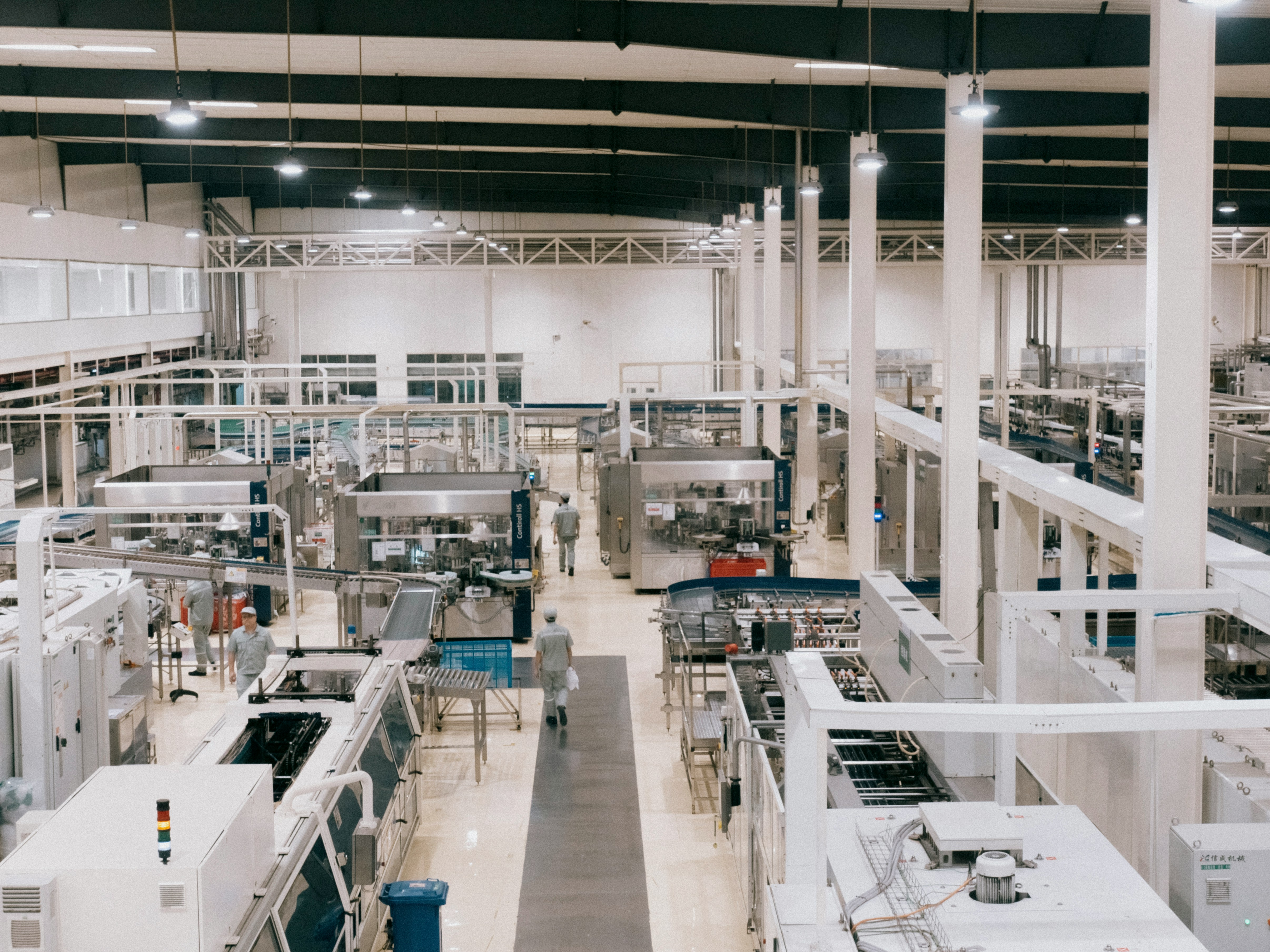
This happens constantly across China and Southeast Asia manufacturing hubs. You're sitting in Los Angeles or London, and factories send you 4K footage, stacks of ISO certificates, and production timelines that look more organized than Amazon's fulfillment centers. But actual capacity? They might deliver half your order quantity if you're lucky.
I don't even look at materials suppliers voluntarily provide anymore when evaluating production capacity. My first move is always an unscheduled video call.
Never book a formal "factory tour time" because that's performance theater. During order negotiations, I'll casually say something like "Hey, are you free for a quick video chat about technical specs? Would love to see the production setup while we talk." The reaction tells you everything. Legitimate manufacturers with nothing to hide will connect within minutes, maybe apologizing that the workshop looks messy or workers aren't in full uniform. Factories running deceptive operations suddenly have connectivity issues, claim the workshop is closed for maintenance, or insist on scheduling "proper" tours days later.
During these impromptu calls, I focus on details that can't be staged quickly. Ask them to walk through raw material storage areas and actually read labels on material rolls or boxes. Real factories have inventory chaos—partially used material rolls, handwritten batch numbers, some disorganization. If everything looks like a Target store display with perfect lighting and color-coded bins, that's a red flag. I once caught a supplier when I asked to see their plastic resin storage, and every single bag was suspiciously identical and pristine. Turns out they were showing me their quality control sample room, not actual production inventory.
Equipment operating hours matter more than equipment quality when assessing capacity. A factory might own twenty injection molding machines, but if only eight run consistently, your production capacity just dropped by sixty percent. I ask operators directly—not management—about shift patterns and which machines ran yesterday. Check the machines themselves during video calls. Production equipment that actually operates daily has wear patterns: oil stains near mechanical parts, slight discoloration on control panels from constant touching, dust accumulation in specific areas. One factory showed me machines so clean they could've been in a museum. When I asked the "operator" standing next to it about cycle times, he couldn't answer basic questions about temperature settings.
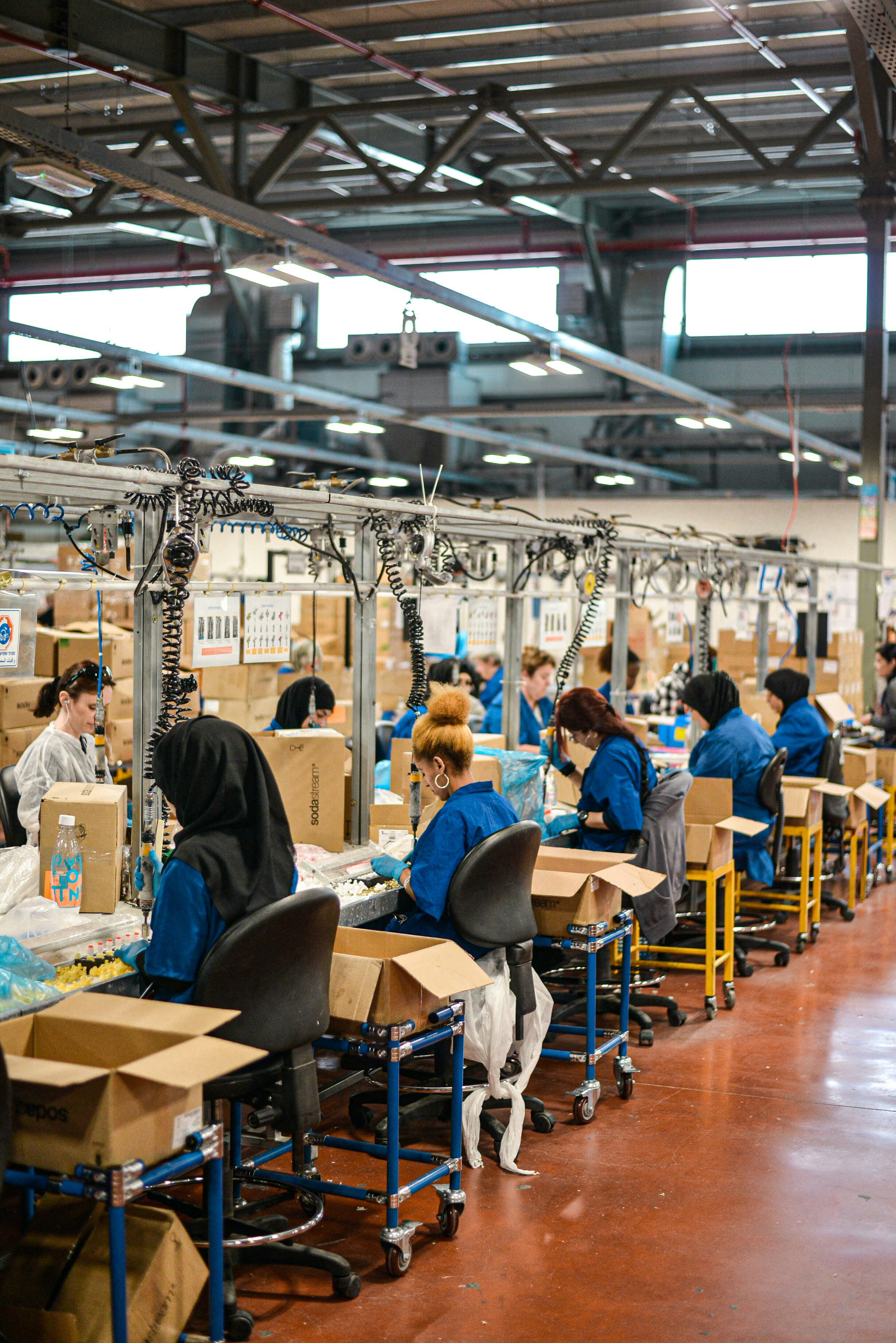
Employee behavior reveals operational reality better than any audit report. Real factory workers barely notice cameras because they're focused on production quotas. If everyone's staring at the camera or standing unusually still, that's choreographed. I specifically watch for workers multi-tasking or moving between stations naturally. In actual production environments, you'll see people rushing slightly, maybe someone jogging to grab tools, informal conversations happening. When I evaluated a metal hardware factory, I noticed workers in the background were moving materials and checking quality while the manager gave his presentation. That casual operational chaos indicated genuine production flow.


Verify capacity through customer reference checks, but do it strategically. Don't just ask for references—they'll obviously provide happy clients. Instead, search for the factory's customer logos they display on their website or marketing materials. Find those companies on LinkedIn and cold message their procurement managers directly. Most B2B professionals will give you honest feedback about delivery reliability and capacity issues if you approach respectfully. I discovered one supplier's capacity problems when a previous client told me they'd switched manufacturers after three consecutive delayed shipments, something the factory's official references never mentioned.
Financial capacity indicators often get overlooked but predict production reliability. Ask about payment terms they offer established clients. Factories with genuine capacity and stable operations typically offer net-30 or net-60 terms to long-term customers because they have working capital. If they insist on fifty percent deposits even after multiple successful orders, they're likely cash-constrained and possibly overextended on orders. That Seattle client I mentioned? The factory that deceived us required seventy percent upfront payment, which should've been a warning sign they needed our money to fund production rather than having operational reserves.
Cross-reference production timelines with industry standards and their claimed capacity. If a factory says they operate thirty injection molding machines and can produce your 50,000-unit order in two weeks, calculate whether that's physically possible. Standard injection molding cycle times for small appliances run between thirty to ninety seconds depending on complexity. Do the math yourself. If their timeline requires impossibly fast cycles or assumes twenty-four-hour operation with zero downtime, they're either lying about capacity or planning to outsource your order to unknown subcontractors.
The subcontracting question deserves direct confrontation. Many Chinese and Southeast Asian manufacturers operate as sophisticated brokers, managing networks of smaller workshops rather than producing in-house. This isn't inherently problematic if they're transparent about it, but capacity becomes unpredictable when your order gets split across five different workshops you've never vetted. I now include contractual language requiring production at specified facilities and surprise audit rights. When one supplier resisted this clause, claiming it was "unusual," I knew they planned to farm out production.
Test orders reveal more than any audit report, but structure them strategically. Don't just order samples—request a small production run of 500 to 1,000 units with a tight deadline. This tests whether they can mobilize resources, manage quality at scale, and meet commitments when money's on the table. Pay close attention to how they handle the small order. Do they meet deadlines? Is quality consistent across the batch? How do they communicate when problems arise? A factory that struggles delivering 1,000 units will absolutely fail with your 50,000-unit order, regardless of what their brochures promise.
I wish someone had explained these verification tactics before I wasted months on that first failed supplier relationship. The Seattle client eventually found a reliable manufacturer, but only after we'd burned through deposits, missed market timing, and damaged relationships with their retail buyers. The real cost wasn't just the delayed revenue—it was the competitive opportunity we lost while competitors launched similar products first.
Remote factory verification isn't about finding perfect suppliers with spotless facilities and impressive certifications. It's about identifying manufacturers whose actual operational capacity matches their claims, who communicate honestly about limitations, and who treat your production timeline as seriously as you do. Those unscheduled video calls, employee behavior observations, and independent reference checks create a reality filter that cuts through the performance theater most factories present during formal audits.
The manufacturing landscape in China and Southeast Asia offers incredible production capabilities and cost advantages for Western brands developing hardware products. But accessing those benefits requires seeing past the showroom presentation to evaluate real operational capacity. Every factory can look impressive during scheduled tours with proper preparation time. The question isn't whether they can perform for your camera—it's whether they can perform for your customers when production deadlines actually matter.