" height="21.943622918266314px" id="HqU1V_VXu" width="76.57577685890533px"/><path d="M 20.228 10.24 L 10.114 10.24 L 10.114 8.777 L 20.228 8.777 Z M 21.672 20.48 L 15.171 20.48 L 15.171 19.018 L 21.672 19.018 Z M 0 19.018 L 0 0 L 1.445 0 L 1.445 19.018 Z M 20.228 19.018 L 20.228 0 L 21.672 0 L 21.672 19.018 Z" fill="rgb(255, 255, 255)" height="20.480488152641314px" id="bfuCuMlPp" transform="translate(27.507 1.519)" width="21.672358558014366px"/><path d="M 42.622 19.018 L 42.622 0 L 44.067 0 L 44.067 19.018 Z M 54.903 8.777 L 54.903 0 L 56.348 0 L 56.348 8.777 Z M 75.131 8.777 L 75.131 0 L 76.575 0 L 76.575 8.777 Z M 70.796 19.018 L 70.796 10.241 L 72.241 10.241 L 72.241 19.018 Z M 59.238 19.018 L 59.238 10.241 L 60.683 10.241 L 60.683 19.018 Z M 1.445 0 L 1.445 20.481 L 0 20.481 L 0 0 Z M 11.559 20.481 L 1.445 20.481 L 1.445 19.018 L 11.559 19.018 Z M 21.672 10.24 L 10.114 10.24 L 10.114 8.777 L 21.672 8.777 Z" fill="rgb(255, 255, 255)" height="20.480826258659363px" id="TduQKyNcg" transform="translate(0 1.519)" width="76.57543472988937px"/><path d="M 10.114 9.07 L 10.114 0 L 11.559 0 L 11.559 9.07 Z M 0 19.311 L 0 10.533 L 1.445 10.533 L 1.445 19.311 Z M 10.114 20.774 L 10.114 13.459 L 11.559 13.459 L 11.559 20.774 Z M 4.334 20.774 L 4.334 13.458 L 5.779 13.458 L 5.779 20.774 Z M 5.78 13.459 L 10.114 13.459 L 10.114 14.922 L 5.78 14.922 Z M 5.78 19.311 L 10.114 19.311 L 10.114 20.774 L 5.78 20.774 Z M 79.032 2.487 L 92.035 2.487 L 92.035 3.95 L 79.032 3.95 Z M 96.37 2.487 L 109.373 2.487 L 109.373 3.95 L 96.37 3.95 Z M 113.708 2.487 L 126.711 2.487 L 126.711 3.95 L 113.708 3.95 Z M 135.38 2.487 L 148.384 2.487 L 148.384 3.95 L 135.38 3.95 Z M 86.256 8.339 L 92.035 8.339 L 92.035 9.802 L 86.256 9.802 Z M 97.815 8.339 L 110.818 8.339 L 110.818 9.802 L 97.815 9.802 Z M 80.477 15.653 L 93.48 15.653 L 93.48 17.116 L 80.477 17.116 Z M 97.815 15.653 L 110.818 15.653 L 110.818 17.116 L 97.815 17.116 Z M 79.032 15.653 L 79.032 3.95 L 80.477 3.95 L 80.477 15.653 Z M 96.37 15.653 L 96.37 3.95 L 97.815 3.95 L 97.815 15.653 Z M 113.708 17.116 L 113.708 3.95 L 115.153 3.95 L 115.153 17.116 Z M 135.38 15.653 L 135.38 3.95 L 136.825 3.95 L 136.825 15.653 Z M 152.718 15.653 L 152.718 2.487 L 154.163 2.487 L 154.163 15.653 Z M 170.056 15.653 L 170.056 2.487 L 171.5 2.487 L 171.5 15.653 Z M 187.394 15.653 L 187.394 2.487 L 188.839 2.487 L 188.839 15.653 Z" fill="rgb(255, 255, 255)" height="20.773521135658505px" id="jAG3tW2Le" transform="translate(10.169 1.182)" width="188.83858780606124px"/><path d="M 62.127 5.852 L 75.131 5.852 L 75.131 7.315 L 62.127 7.315 Z M 79.465 5.852 L 92.469 5.852 L 92.469 7.315 L 79.465 7.315 Z M 96.803 5.852 L 108.362 5.852 L 108.362 7.315 L 96.803 7.315 Z M 79.465 0 L 91.024 0 L 91.024 1.463 L 79.465 1.463 Z M 92.469 1.463 L 92.469 5.852 L 91.024 5.852 L 91.024 1.463 Z M 109.807 7.315 L 109.807 14.629 L 108.362 14.629 L 108.362 7.315 Z M 62.127 13.166 L 75.131 13.166 L 75.131 14.629 L 62.127 14.629 Z M 79.465 13.166 L 92.469 13.166 L 92.469 14.629 L 79.465 14.629 Z M 34.675 14.629 L 34.675 1.463 L 36.12 1.463 L 36.12 14.629 Z M 56.348 13.166 L 56.348 1.463 L 57.793 1.463 L 57.793 13.166 Z M 44.789 13.166 L 57.793 13.166 L 57.793 14.629 L 44.789 14.629 Z M 39.01 14.629 L 39.01 2.926 L 40.455 2.926 L 40.455 14.629 Z M 39.01 1.463 L 39.01 0 L 40.455 0 L 40.455 1.463 Z M 0 13.166 L 0 5.852 L 1.445 5.852 L 1.445 13.166 Z M 17.338 5.852 L 17.338 1.463 L 18.782 1.463 L 18.782 5.852 Z M 106.917 0 L 108.361 0 L 108.361 1.463 L 106.917 1.463 Z M 105.472 1.463 L 106.917 1.463 L 106.917 2.926 L 105.472 2.926 Z M 104.027 2.926 L 105.472 2.926 L 105.472 4.389 L 104.027 4.389 Z M 102.583 4.389 L 104.027 4.389 L 104.027 5.852 L 102.583 5.852 Z" fill="rgb(255, 255, 255)" height="14.62930651858536px" id="yTdOA_r0t" transform="translate(102.194 3.714)" width="109.80650620205734px"/></g></svg>)
When a $5 knob delays your entire product launch, you learn that materials kitting management isn't a procurement problem—it's a product survival strategy.

Two weeks before Thanksgiving last year, a colleague in the outdoor heating business nearly faced a lawsuit. His product was ready, packaging printed, everything set. Except for one control panel knob. The supplier reported a mold issue pushing delivery back ten days. Ten days doesn't sound catastrophic until you realize those heaters were scheduled to hit Home Depot and Lowe's shelves before Thanksgiving weekend. Miss that window, and you've killed an entire winter season's revenue.
This is the brutal reality of materials kitting management. You think you're developing products, but you're actually playing a jigsaw puzzle where every piece must arrive simultaneously. Missing one piece means losing the entire game.
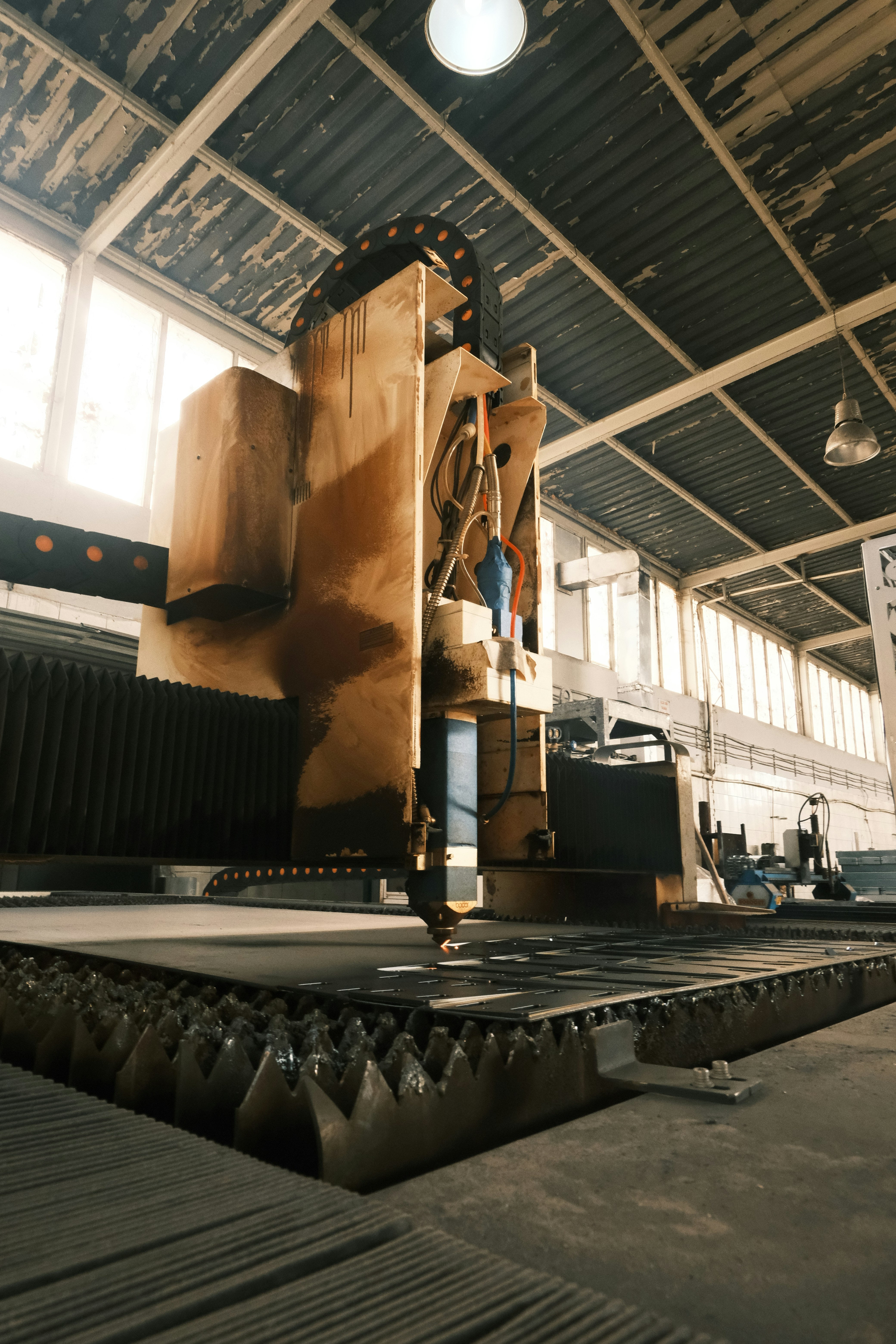
Too many product managers treat material coordination as the purchasing department's responsibility. That's the first mistake. Materials kitting should concern you from the moment you sketch your first design concept. I've watched designers select a premium European metal clasp for aesthetic reasons without realizing it carries a 12-week lead time. Meanwhile, the standard Asian alternative ships in three weeks. That nine-week difference becomes the gap between launching on schedule and watching competitors capture your market.
The math is unforgiving. A typical consumer electronics product contains 200-300 components. If each part has a 95% on-time delivery probability, your complete kit only has a 0.3% chance of arriving intact on schedule. Those aren't odds anyone should accept, yet most product development teams operate without acknowledging this statistical nightmare.
Smart manufacturers build materials kitting into their product development process from day one. When your engineering team finalizes a bill of materials, they're not just listing parts. They're creating a dependency map that determines whether your launch succeeds or fails. Every component needs three critical data points: supplier reliability history, typical lead time variability, and substitution options. Without this information, you're navigating blind.
Consider how Apple approaches this challenge. They don't just order components; they lock down entire supplier production lines months in advance. For critical parts, they maintain dual sourcing from the design phase. When one supplier stumbles, they've already qualified an alternative. This isn't paranoia, it's recognizing that in hardware manufacturing, your weakest link defines your entire timeline.
The substitution strategy matters more than most realize. When designing a small appliance, specify whether that M4 screw must be stainless steel or if zinc-plated works equally well. Define acceptable tolerances broadly enough to source from multiple suppliers without redesigning. That flexibility you build into specifications today becomes your salvation when a factory floods or a container ship blocks the Suez Canal.
Inventory staging represents another critical consideration. Many businesses try minimizing working capital by ordering everything just-in-time. That works beautifully until it doesn't. Strategic manufacturers identify their longest-lead and highest-risk components, then order those first. Yes, you'll carry some inventory cost, but compare that against the cost of missing a seasonal launch window. A patio furniture manufacturer can't recover from missing the spring season. The revenue is simply gone.
Communication protocols make the difference between catching problems early and discovering them too late. Establish weekly supply chain reviews during product development phases. Your suppliers should report any capacity constraints, material shortages, or quality issues immediately. A three-day delay flagged early gives you options. The same delay discovered three days before your container ships gives you nothing but excuses to tell angry retailers.
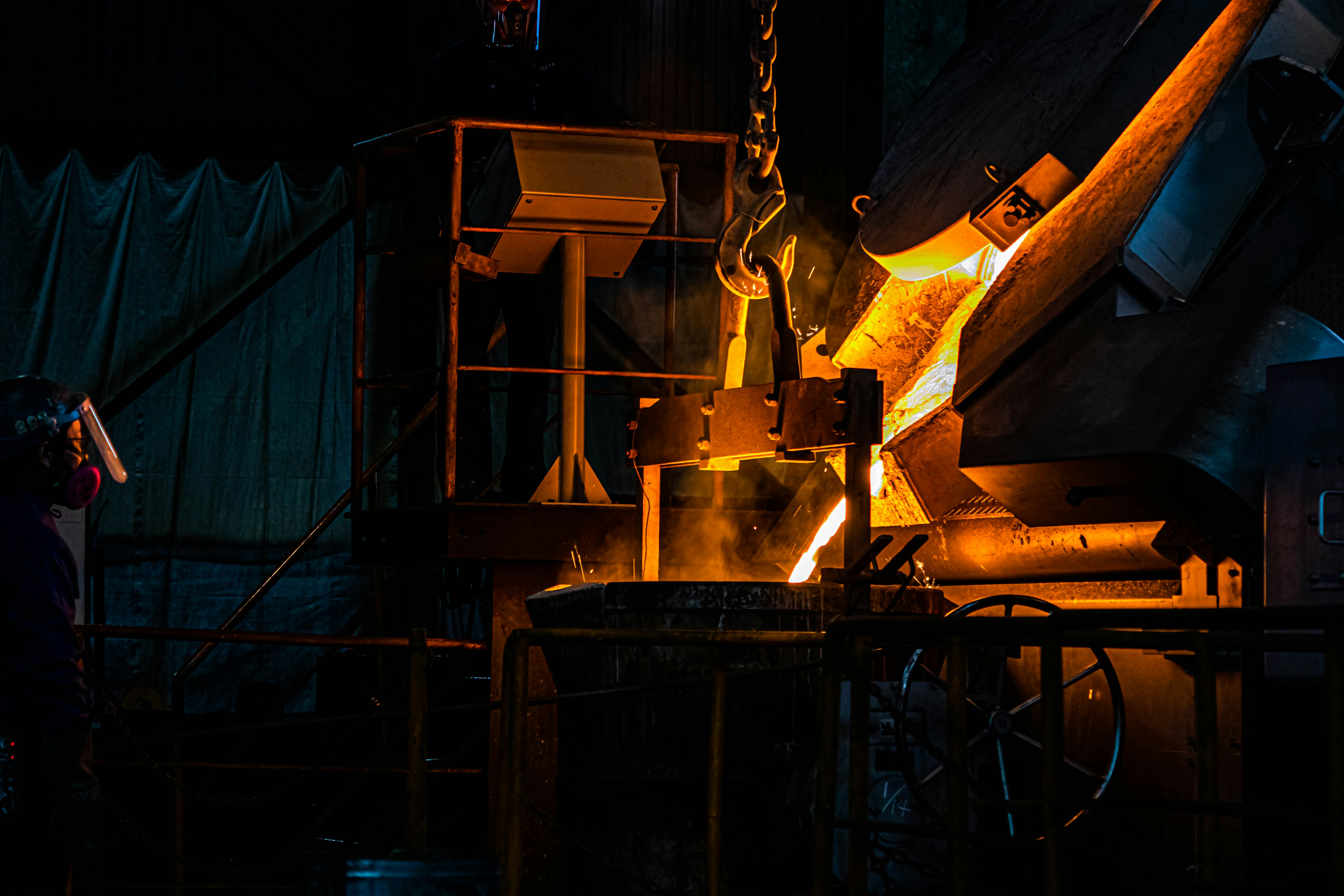
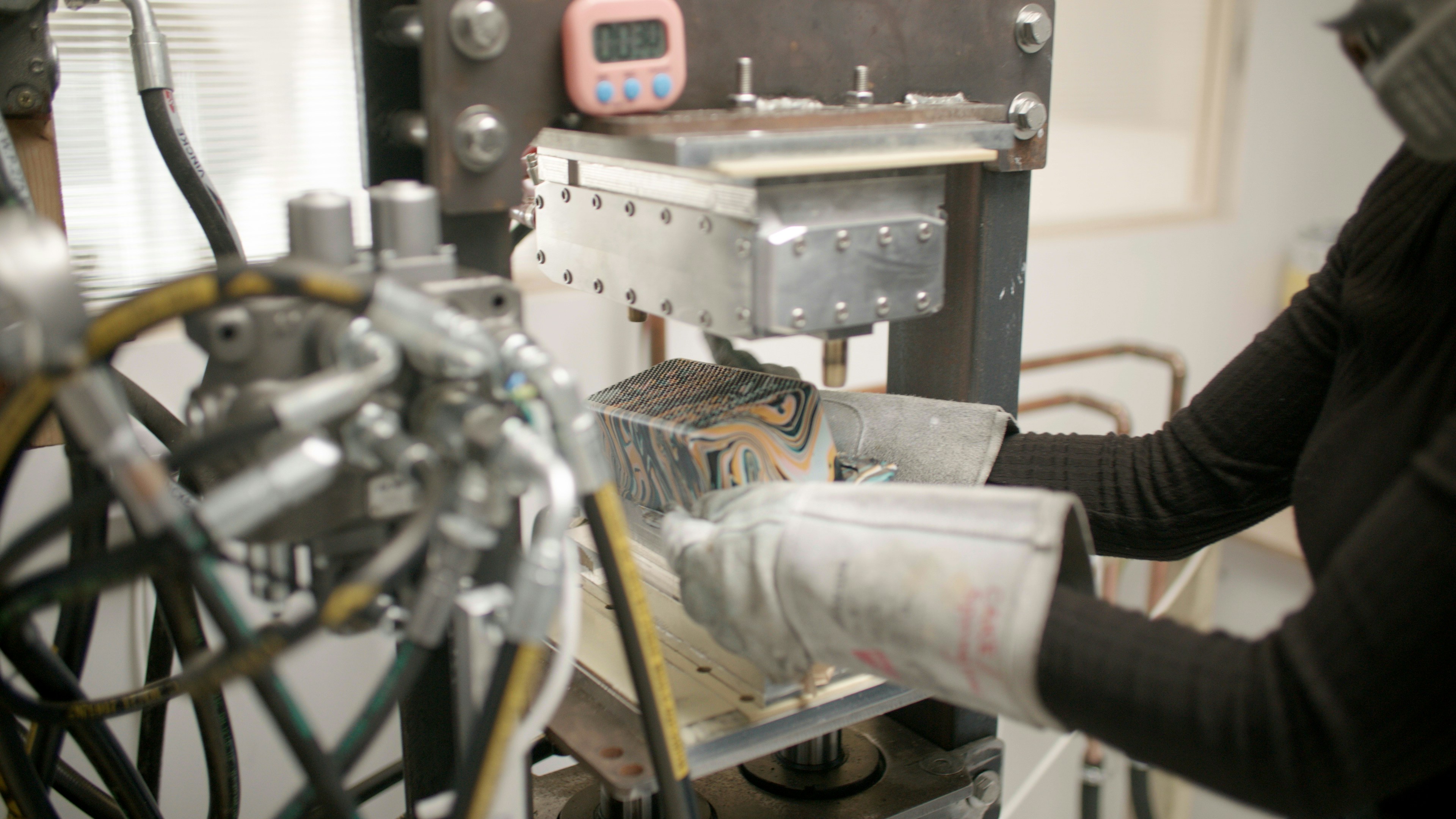
The harsh truth about materials kitting management is that perfection is impossible. Something will always go wrong. Your competitive advantage comes from how quickly you detect problems and how many backup plans you've prepared. The manufacturers who consistently launch on time aren't lucky. They've built systematic approaches to identify risks early and maintain flexibility throughout their supply chain.
That outdoor heater company? They eventually air-freighted those knobs at five times the normal cost, barely making their deadline. They survived, but their profit margin didn't. Now they maintain a 30-day safety stock of all long-lead components and qualified three backup suppliers for every critical part. Expensive lessons learned through painful experience that better materials kitting management could have prevented entirely.