" height="21.943622918266314px" id="HqU1V_VXu" width="76.57577685890533px"/><path d="M 20.228 10.24 L 10.114 10.24 L 10.114 8.777 L 20.228 8.777 Z M 21.672 20.48 L 15.171 20.48 L 15.171 19.018 L 21.672 19.018 Z M 0 19.018 L 0 0 L 1.445 0 L 1.445 19.018 Z M 20.228 19.018 L 20.228 0 L 21.672 0 L 21.672 19.018 Z" fill="rgb(255, 255, 255)" height="20.480488152641314px" id="bfuCuMlPp" transform="translate(27.507 1.519)" width="21.672358558014366px"/><path d="M 42.622 19.018 L 42.622 0 L 44.067 0 L 44.067 19.018 Z M 54.903 8.777 L 54.903 0 L 56.348 0 L 56.348 8.777 Z M 75.131 8.777 L 75.131 0 L 76.575 0 L 76.575 8.777 Z M 70.796 19.018 L 70.796 10.241 L 72.241 10.241 L 72.241 19.018 Z M 59.238 19.018 L 59.238 10.241 L 60.683 10.241 L 60.683 19.018 Z M 1.445 0 L 1.445 20.481 L 0 20.481 L 0 0 Z M 11.559 20.481 L 1.445 20.481 L 1.445 19.018 L 11.559 19.018 Z M 21.672 10.24 L 10.114 10.24 L 10.114 8.777 L 21.672 8.777 Z" fill="rgb(255, 255, 255)" height="20.480826258659363px" id="TduQKyNcg" transform="translate(0 1.519)" width="76.57543472988937px"/><path d="M 10.114 9.07 L 10.114 0 L 11.559 0 L 11.559 9.07 Z M 0 19.311 L 0 10.533 L 1.445 10.533 L 1.445 19.311 Z M 10.114 20.774 L 10.114 13.459 L 11.559 13.459 L 11.559 20.774 Z M 4.334 20.774 L 4.334 13.458 L 5.779 13.458 L 5.779 20.774 Z M 5.78 13.459 L 10.114 13.459 L 10.114 14.922 L 5.78 14.922 Z M 5.78 19.311 L 10.114 19.311 L 10.114 20.774 L 5.78 20.774 Z M 79.032 2.487 L 92.035 2.487 L 92.035 3.95 L 79.032 3.95 Z M 96.37 2.487 L 109.373 2.487 L 109.373 3.95 L 96.37 3.95 Z M 113.708 2.487 L 126.711 2.487 L 126.711 3.95 L 113.708 3.95 Z M 135.38 2.487 L 148.384 2.487 L 148.384 3.95 L 135.38 3.95 Z M 86.256 8.339 L 92.035 8.339 L 92.035 9.802 L 86.256 9.802 Z M 97.815 8.339 L 110.818 8.339 L 110.818 9.802 L 97.815 9.802 Z M 80.477 15.653 L 93.48 15.653 L 93.48 17.116 L 80.477 17.116 Z M 97.815 15.653 L 110.818 15.653 L 110.818 17.116 L 97.815 17.116 Z M 79.032 15.653 L 79.032 3.95 L 80.477 3.95 L 80.477 15.653 Z M 96.37 15.653 L 96.37 3.95 L 97.815 3.95 L 97.815 15.653 Z M 113.708 17.116 L 113.708 3.95 L 115.153 3.95 L 115.153 17.116 Z M 135.38 15.653 L 135.38 3.95 L 136.825 3.95 L 136.825 15.653 Z M 152.718 15.653 L 152.718 2.487 L 154.163 2.487 L 154.163 15.653 Z M 170.056 15.653 L 170.056 2.487 L 171.5 2.487 L 171.5 15.653 Z M 187.394 15.653 L 187.394 2.487 L 188.839 2.487 L 188.839 15.653 Z" fill="rgb(255, 255, 255)" height="20.773521135658505px" id="jAG3tW2Le" transform="translate(10.169 1.182)" width="188.83858780606124px"/><path d="M 62.127 5.852 L 75.131 5.852 L 75.131 7.315 L 62.127 7.315 Z M 79.465 5.852 L 92.469 5.852 L 92.469 7.315 L 79.465 7.315 Z M 96.803 5.852 L 108.362 5.852 L 108.362 7.315 L 96.803 7.315 Z M 79.465 0 L 91.024 0 L 91.024 1.463 L 79.465 1.463 Z M 92.469 1.463 L 92.469 5.852 L 91.024 5.852 L 91.024 1.463 Z M 109.807 7.315 L 109.807 14.629 L 108.362 14.629 L 108.362 7.315 Z M 62.127 13.166 L 75.131 13.166 L 75.131 14.629 L 62.127 14.629 Z M 79.465 13.166 L 92.469 13.166 L 92.469 14.629 L 79.465 14.629 Z M 34.675 14.629 L 34.675 1.463 L 36.12 1.463 L 36.12 14.629 Z M 56.348 13.166 L 56.348 1.463 L 57.793 1.463 L 57.793 13.166 Z M 44.789 13.166 L 57.793 13.166 L 57.793 14.629 L 44.789 14.629 Z M 39.01 14.629 L 39.01 2.926 L 40.455 2.926 L 40.455 14.629 Z M 39.01 1.463 L 39.01 0 L 40.455 0 L 40.455 1.463 Z M 0 13.166 L 0 5.852 L 1.445 5.852 L 1.445 13.166 Z M 17.338 5.852 L 17.338 1.463 L 18.782 1.463 L 18.782 5.852 Z M 106.917 0 L 108.361 0 L 108.361 1.463 L 106.917 1.463 Z M 105.472 1.463 L 106.917 1.463 L 106.917 2.926 L 105.472 2.926 Z M 104.027 2.926 L 105.472 2.926 L 105.472 4.389 L 104.027 4.389 Z M 102.583 4.389 L 104.027 4.389 L 104.027 5.852 L 102.583 5.852 Z" fill="rgb(255, 255, 255)" height="14.62930651858536px" id="yTdOA_r0t" transform="translate(102.194 3.714)" width="109.80650620205734px"/></g></svg>)
A two-millimeter adjustment to a screw hole nearly destroyed a coffee machine brand's reputation, proving that manufacturing process optimization isn't about major overhauls—it's about getting the small things right.

Last month during a video call with a Los Angeles coffee machine importer, I heard a familiar complaint: their return rate was climbing despite no obvious design flaws. After receiving several units for teardown analysis, the culprit revealed itself in an unexpected place. Four screws securing the water pump mounting bracket had been repositioned by two millimeters during production. The factory workers had made this "minor" adjustment to speed up assembly time, reasoning that the pump still attached securely. What they didn't account for was how those two millimeters affected load distribution during months of vibration. Within eighteen months, pumps loosened, seals failed, and customers faced leaking machines.

This scenario plays out across manufacturing facilities worldwide. Engineers spend weeks perfecting technical drawings and stress calculations, only to have well-intentioned production workers make "practical improvements" on the factory floor. The assembly becomes easier, throughput increases slightly, and everyone assumes the modification is harmless because the product still functions during quality checks. The real consequences don't surface until products reach customers' homes and accumulate thousands of hours of real-world use.
The most dramatic case I've encountered involved an air fryer brand selling successfully across Germany and the Netherlands. Suddenly, customer complaints flooded in about unevenly cooked food—french fries charred on one side while remaining undercooked on the other. The engineering team spent two months investigating temperature sensors, heating element specifications, and airflow patterns. The actual problem? A new supplier had substituted galvanized steel for stainless steel in the heating element bracket to save thirty cents per unit. This seemingly trivial material swap caused uneven thermal expansion, gradually warping the bracket and misaligning the heating element by several degrees. Manufacturing process optimization would have caught this substitution before it affected twelve thousand units.
These failures share a common thread: they result from disconnect between design intent and production reality. When a factory modifies a process without consulting the original engineering specifications, they're making decisions based on incomplete information. That misaligned screw hole might create a stress concentration point. That substituted material might have different thermal properties. That simplified assembly sequence might skip a critical alignment step. Production efficiency matters, but not when it undermines product longevity.
Effective manufacturing process optimization requires structured communication between design teams and production floors. When workers identify assembly difficulties, that feedback should trigger engineering review, not unauthorized workarounds. Sometimes the solution involves redesigning components for easier manufacturing. Other times, the original specification proves necessary despite assembly challenges, and production processes need adaptation instead.
Consider a small appliance manufacturer I consulted for that produced countertop blenders for the North American market. Their factory proposed eliminating a secondary fastening step on the motor housing, arguing it was redundant. Instead of dismissing the suggestion or approving it without analysis, the engineering team ran extended vibration testing on both configurations. The tests revealed that while both designs passed standard quality checks, the simplified assembly showed fifteen percent higher motor shaft runout after equivalent runtime hours. This would have shortened product lifespan considerably. However, the testing also revealed an opportunity to redesign the housing geometry, achieving both easier assembly and better performance—genuine manufacturing process optimization rather than cost-cutting disguised as improvement.
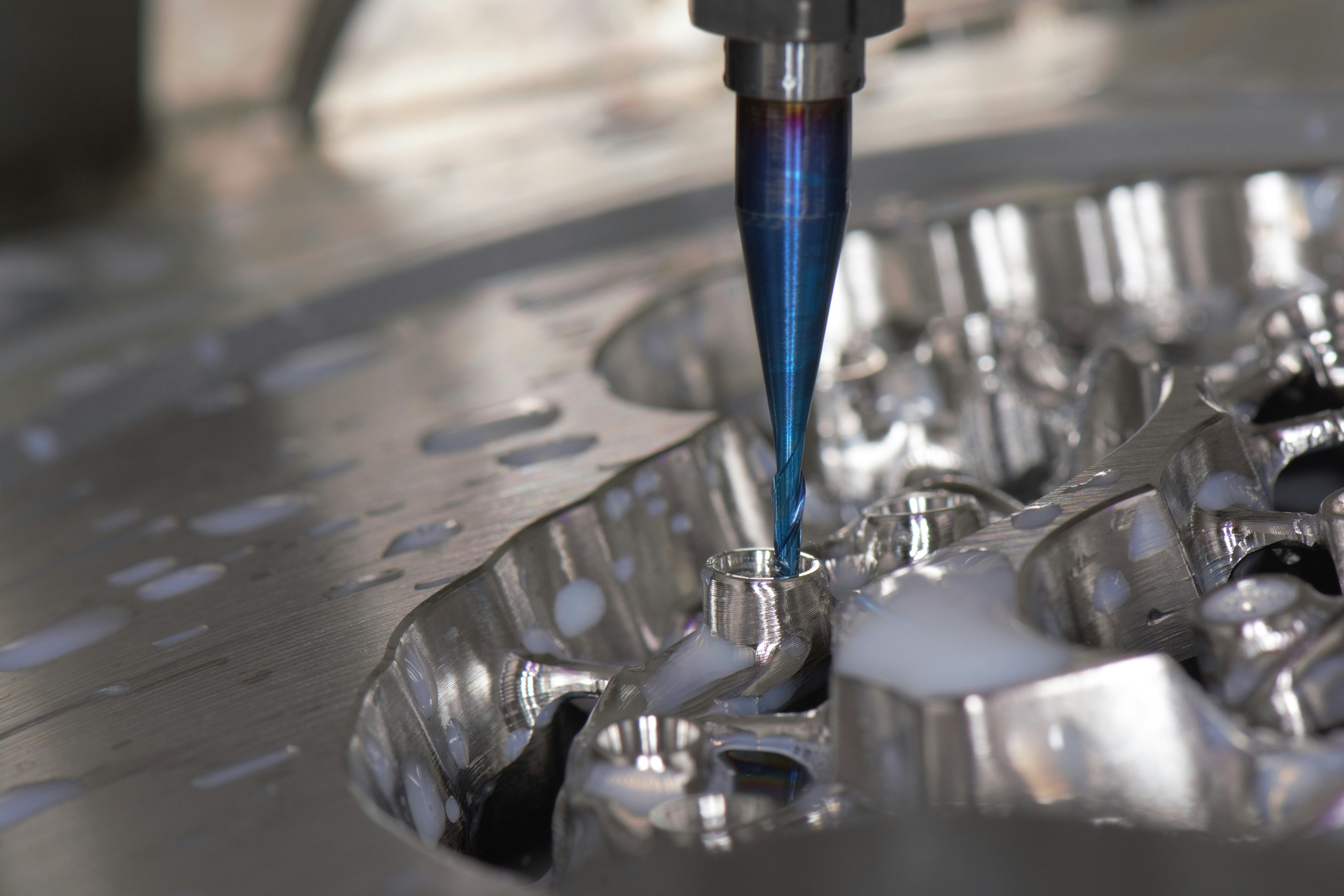

The lesson extends beyond individual components. Successful product development for Western markets, particularly for B2B clients supplying retailers or commercial operations, demands rigorous process control. When your customer's business depends on product reliability—whether they're operating a café, managing rental properties, or stocking retail shelves—every manufacturing shortcut becomes their problem and ultimately their reason to find another supplier.
Manufacturing process optimization isn't about resisting all changes or maintaining inefficient procedures. It's about understanding why specifications exist, testing proposed modifications properly, and recognizing that two millimeters, thirty cents, or one skipped step can mean the difference between a three-year product lifespan and a three-month warranty nightmare.